The first time a patio turns green, it can feel sudden—fine one week, slick and dark the next. A pro walks the property, notes materials and stains in the corners, and clarifies what might change the quote. Within minutes, the structure of pressure washing costs starts to become clear. Quick answer: estimates reflect nine pressure washing cost factors—surface type, size, soil level, access, method, equipment, prep, cleanup, and local demand—because each one changes labor time and risk. Matching the cleaning method to the material is what keeps results consistent and damage-free in Slidell.
Here’s the core idea to remember: an estimate blends material, area, stain severity, access and height, chosen method, gear efficiency, protection steps, site cleanup, and the local market. Each factor shifts time-on-task and liability. The right pairing of technique and surface keeps the work efficient and safe. Those are the essential pressure washing cost factors.
Table of Contents
- Quick answer: How pros build pressure washing estimates
- Surface material and current condition
- Project size, layout, and measuring the job
- Access, height, and site safety requirements
- Equipment, methods, and water temperature
- Prep, protection, and cleanup scope
- Local market factors, timing, and ways to save
- Frequently Asked Questions
- Key takeaways
- Conclusion
Quick answer: How pros build pressure washing estimates
Pros begin with a walkthrough. They assess the surface type, total area, site placement, and what contaminants are present. Then they select a safe, effective method and outline the steps. A clear scope sets labor time, equipment choices, and scheduling, all driven by the pressure washing cost factors in play.
Pricing models explained (per square foot, flat rate, hourly)
Most teams use a few pricing models. Wide, open areas—like driveways—often make sense per square foot so time aligns with size. Flat rates fit predictable packages such as house washing or patio cleaning where steps are consistent. Hourly rates can apply to unusual or uncertain tasks, such as testing stain removers or detailing railings. The model follows risk and expected time, not a secret chart. Clear notes from the site visit guide which model is the best fit.
Pressure washing vs. soft washing: when each method is used
Pressure washing relies on water force to lift grime. Soft washing uses much lower pressure plus detergents to clean delicate materials like certain sidings and roofs. “PSI” (pounds per square inch) is a measure of water force; soft washing keeps PSI low and lets chemistry do more of the work. Stucco, vinyl, painted wood, and asphalt shingles usually call for soft-wash care. Concrete and pavers can handle more pressure with the right tip, distance, and controlled technique. A local Slidell pro will match the method to the material to keep results even and safe. Pressure Washing Slidell works across Slidell every week and plans the method during the estimate.
Surface material and current condition
Every surface has a “care level.” Some tolerate higher force; others need low-pressure with soaps. The goal is to lift soil without etching, feathering, or forcing water behind finishes. A quick test spot can validate the plan.
Concrete, pavers, vinyl, wood, stucco, metal: risk and care levels
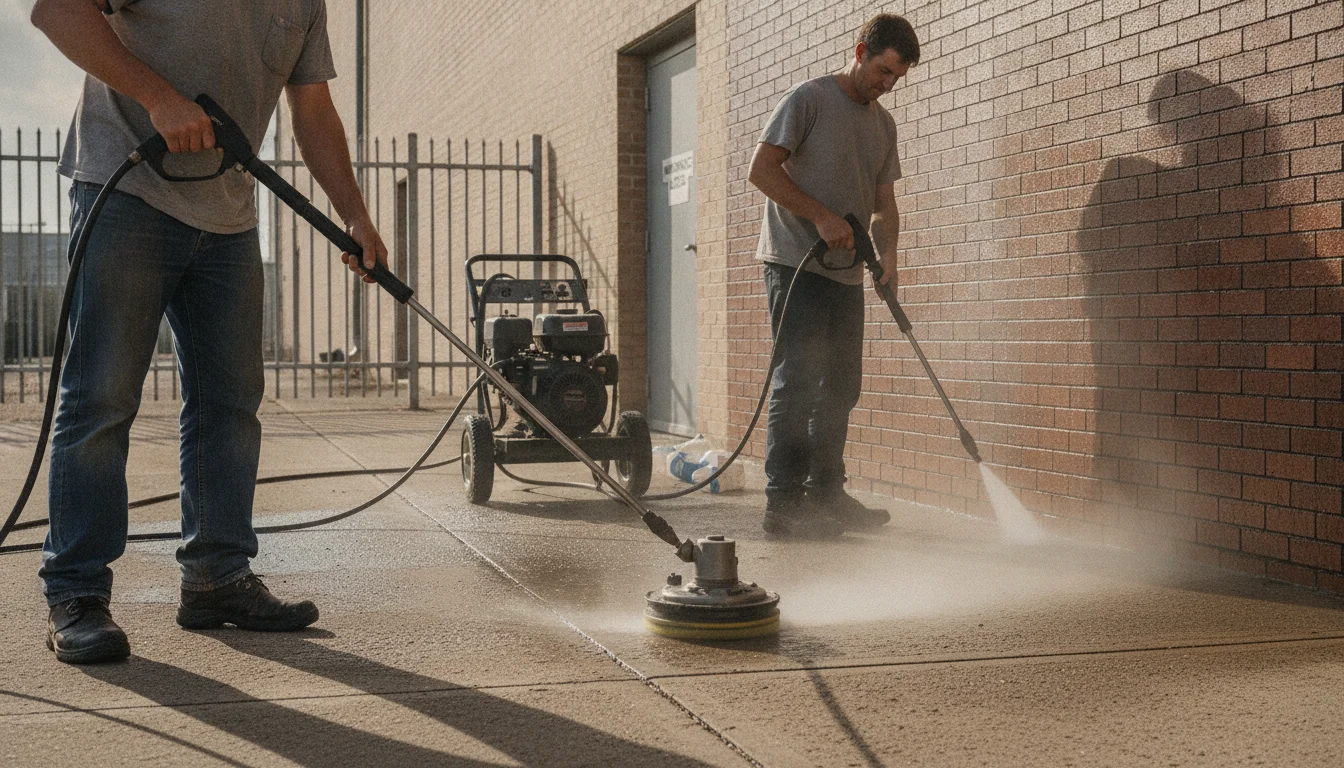
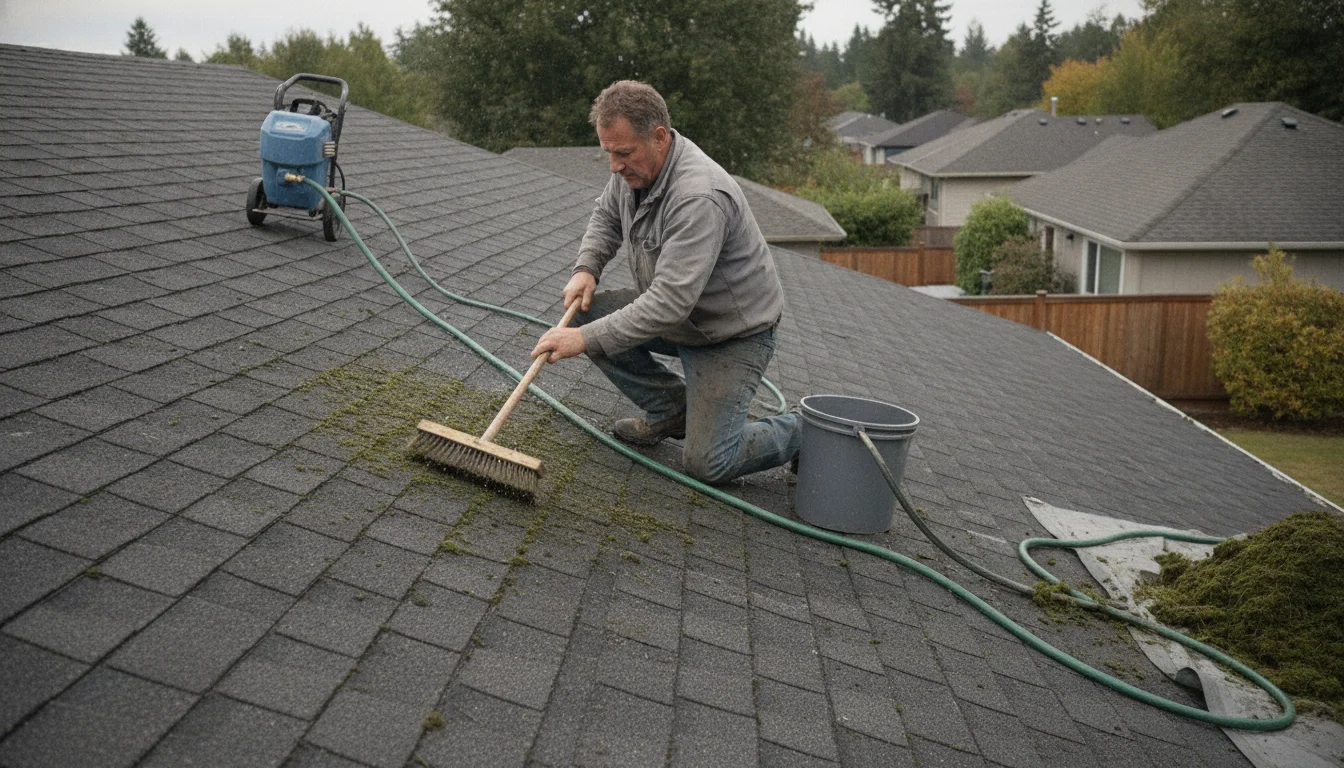
Concrete is tough yet still needs correct tip selection and distance. A surface cleaner helps keep passes even and prevents striping. Pavers require care at joints and polymeric sand; sealed pavers may bead water and need detergent dwell time. Vinyl siding is thin and can warp with heat, so a low-pressure fan tip and proper rinsing protect the panels. Wood can “fuzz” under too much force; lower PSI and smoother passes help. Stucco is porous and can trap moisture, making soft washing the safer option. Metal siding can dent; use wider angles and constant motion. Roofs are often limited to low pressure with approved cleaners per manufacturer guidelines.
Stain type and severity (mold, algae, oil, rust, tannins, paint)
Not all stains behave the same. Green algae typically releases with a mild mix and gentle rinse. Black mildew or mold may require stronger solution strength and longer dwell time. Oil benefits from a degreaser and sometimes heat. Rust responds to a targeted rust remover compatible with the substrate. Tannins from leaves can leave brownish marks that may need a brightener. Old paint flecks may call for careful scraping and rinsing instead of force. Heavier or mixed staining adds steps and extends the schedule. A thorough quote documents stains so scope and method are clear.
Project size, layout, and measuring the job
Area sets the baseline time, but layout can raise or lower effort. Pros verify dimensions so the estimate reflects the real work. Open paths clean faster than complex decks full of angles. Corners and railings slow the passes. A well-written estimate points these out.
Square footage vs. linear feet and how pros verify measurements
Open, flat sections are commonly measured by square foot. Deck rails, fencing, trim, and other details fit better in linear feet because they require precision work. Many pros use a measuring wheel, laser, or mapping app to confirm sizes on site. Gutters, steps, and ledges are counted to avoid omissions. Photos help document tricky areas. For house washing, wall length and height, plus window and door counts, inform the plan.
Complexity factors: corners, railings, multi-levels, tight areas
Complex layouts add setup and pass time. Railings and balusters require slower, even strokes. Multi-level decks demand ladder moves and careful hose handling. Tight side yards can limit wand angles and extend rinse time. Garden beds and décor slow movement and call for extra protection. On commercial sites, bollards, signs, and outdoor seating increase obstacles. A clear map of these areas helps Pressure Washing Slidell plan crew size and tools, which affects how long the job will take.
Access, height, and site safety requirements
Access conditions shape the day. Convenient parking and short hose runs streamline setup. Tight or distant access adds time. Height increases risk, and safety steps protect people and property—these influence both method and schedule.
Ladders, lifts, roof pitch, and fall protection
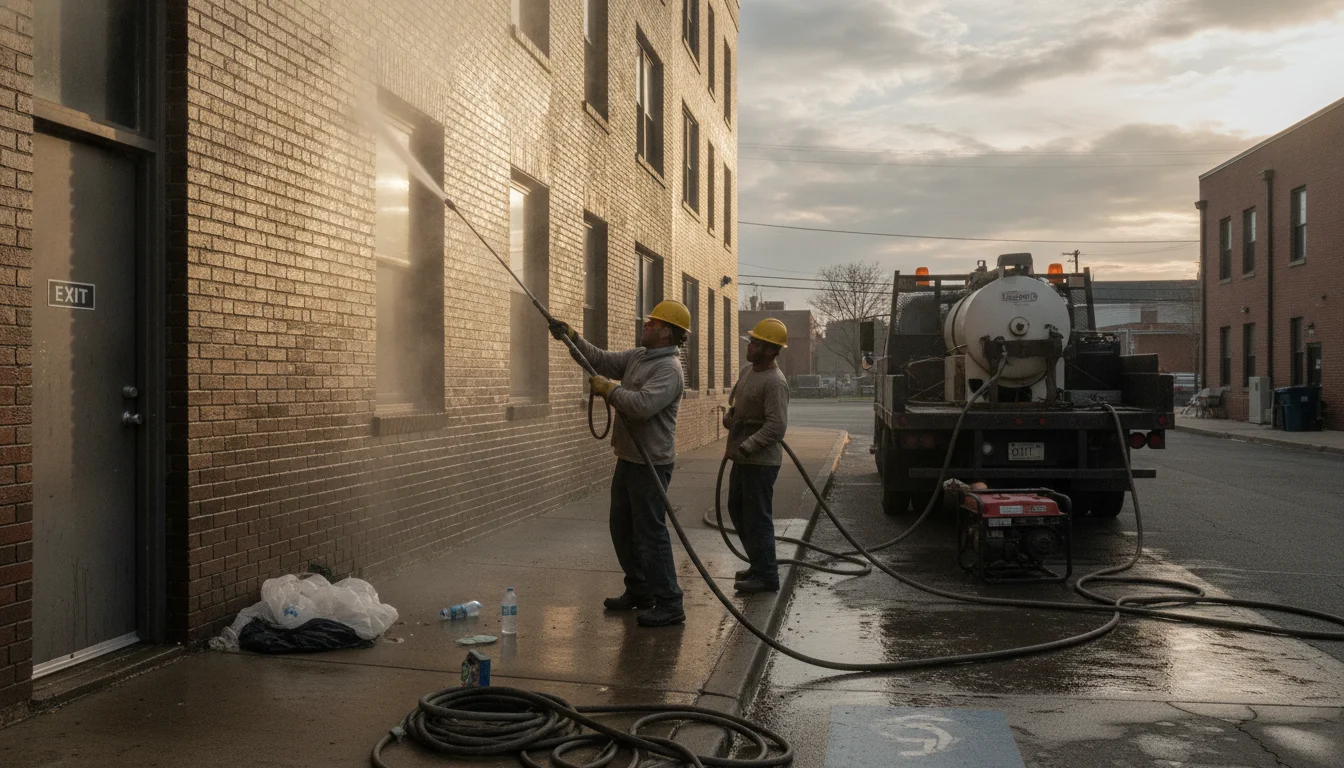
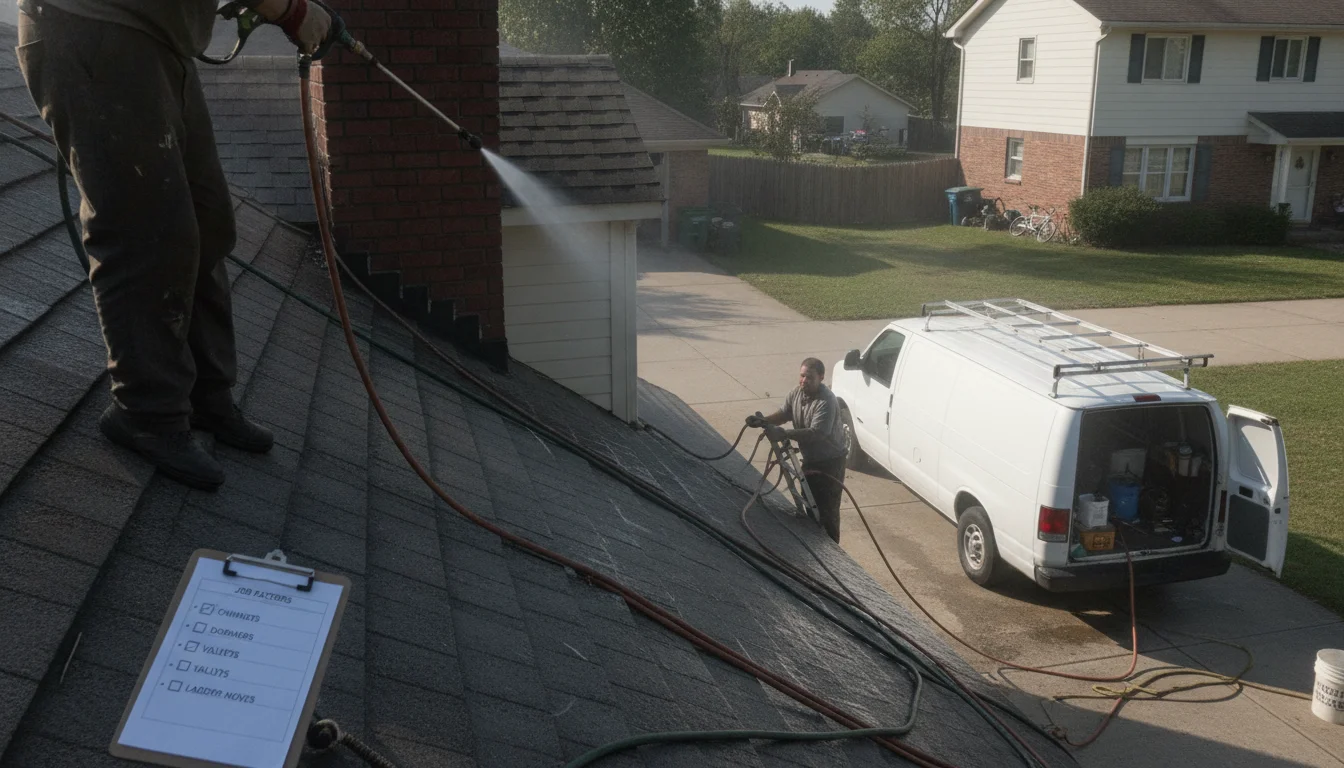
Two-story work may require ladder setups. Steep roof pitches can require harnesses or a lift. “Fall protection” refers to practices and equipment that prevent height-related injuries. OSHA publishes requirements for ladder use and fall safety; teams follow these to reduce risk and protect workers (OSHA fall protection overview). These needs add setup time and can drive method choices, such as using a soft-wash system from the ground to reduce ladder moves. Features like chimneys, dormers, and valleys add steps on roofs. Sites that accommodate a compact lift can sometimes be cleaned faster and with less risk on tall walls.
Parking, obstacles, and on-site water/electric access
Hose length can reach far, but long runs add setup and trip risks. Clear parking near the work zone helps. Some projects need power for a soft-wash pump or early-start lighting. Water access matters, too. Most homes have outdoor spigots; some sites lack them or have low flow, prompting the crew to supply water or adjust gear. A quick flow and pressure test at the spigot helps select the approach. Obstacles—locked gates, pets, or pool areas—also influence how the crew moves and how long it takes.
Equipment, methods, and water temperature
Tools influence both safety and speed. A system with the right PSI, GPM, and nozzle cleans efficiently with lower risk. “GPM” (gallons per minute) measures water volume; higher flow helps move soil faster and improves rinsing. Matching tool to task reduces rework and protects surfaces in Slidell’s climate.
PSI, GPM, nozzles, and surface cleaners that change labor time
High PSI can cut soil, but it can also damage softer materials. Wider fan nozzles diffuse force for gentler passes. Turbo nozzles spin a concentrated stream and must be used carefully on tough concrete spots. Surface cleaners keep passes level on flat areas and help avoid streaking, which saves time. Extension wands reach eaves from the ground. Detergent injectors or dedicated soft-wash systems apply mix evenly. Each choice speeds up or slows down a pass, and the estimate reflects the time those tools will add or save.
Cold vs. hot water, detergents, and dwell time
Hot water assists with oils and grease on drive-throughs and garage slabs. Cold water serves many exterior home surfaces well. Detergent choice matters: a house-wash mix targets organic soils like algae; a degreaser helps with oils; a brightener can address rust or tannin stains when used per label. “Dwell time” is how long a cleaner sits before rinsing; longer dwell can allow lower pressure for a safer clean. Pros follow product labels and manufacturer guidance to maintain safety and quality.
Prep, protection, and cleanup scope
Results depend on smart prep before any spraying begins. Protection steps safeguard plants, lighting, doors, and trim. Cleanup leaves everything neat. These elements belong in the scope and affect total time.
Masking, plant and surface protection, pre-treatment needs
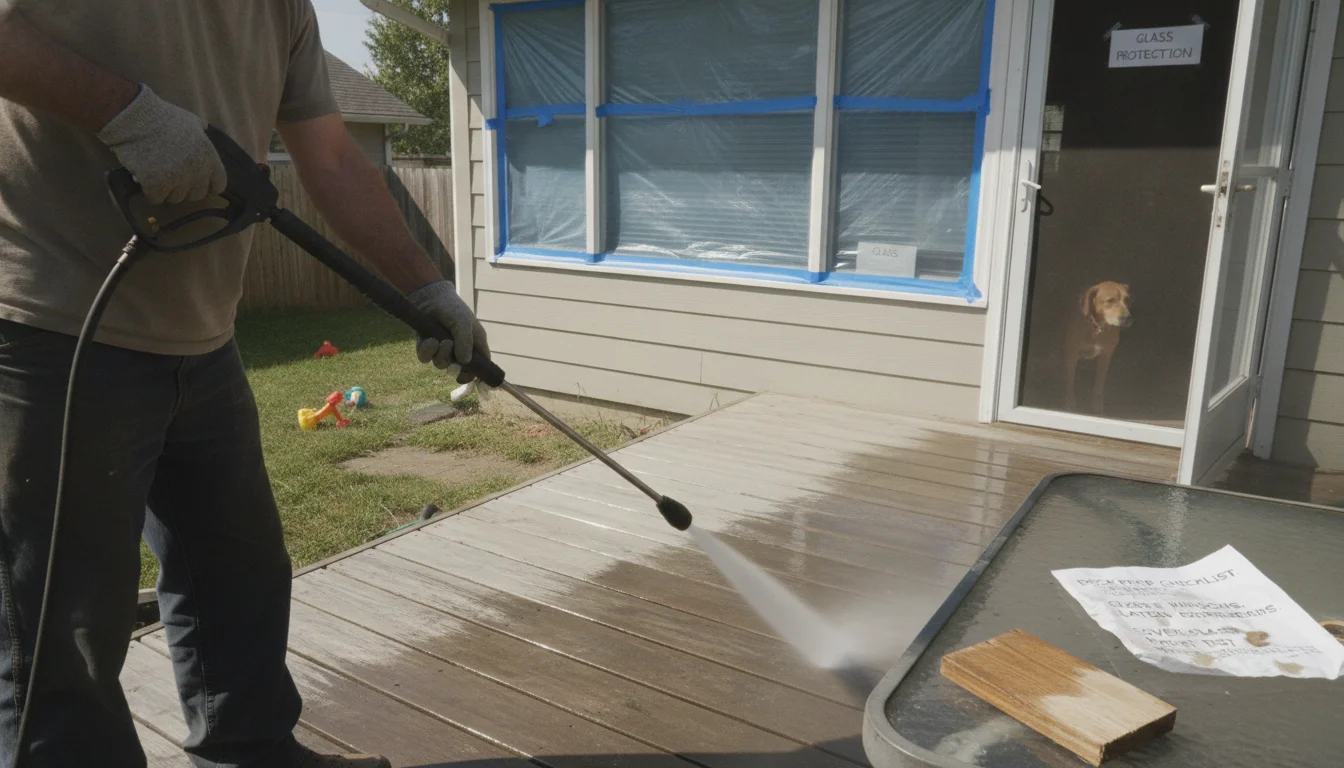
Plants may need pre-wetting and cover during mix use. Electrical boxes and outlets should be protected. Doors and windows must be closed and sealed where needed. Fragile items get relocated. Oil stains may need pre-treatment; rust spots may call for a targeted chemical. Time for these steps should be visible in the quote. If a site in the Slidell area has many planters, that adds care time. Pressure Washing Slidell also checks wind and weather to schedule mix application when drift risk is low.
Post-wash rinse, debris removal, and wastewater recovery
A thorough rinse protects plants and siding after cleaning. Edges receive a final pass to blend lines. Debris such as moss or leaf buildup may require bagging. In some jurisdictions, wash water containing chemicals must not enter storm drains. The EPA warns against allowing wash water with contaminants into storm systems; proper containment and disposal may be required (EPA stormwater guidance). Pros may use berms, vacuum recovery, or filter socks where rules apply. If recovery is necessary, it adds steps. A tidy site and responsible water handling complete the job correctly.
Local market factors, timing, and ways to save
Your location influences labor rates, equipment costs, and demand cycles. Timing and scope choices can help manage spend. Smart maintenance keeps surfaces easier to clean, reducing heavy restoration later. Local market forces are core pressure washing cost factors.
Regional labor/material costs and seasonal demand
Labor and supply costs vary across the US. In many towns, spring demand can quickly fill schedules. After pollen season, homes in Slidell often need siding care. Busy weeks may mean longer lead times; off-peak slots can be easier to secure. Travel time across the main Slidell area—from Olde Towne Slidell and Eden Isles to Pearl River, Lacombe, North Shore, and nearby communities—also impacts crew planning. A clear scope helps align team size with job complexity.
Bundling services, maintenance plans, and DIY vs. pro tradeoffs
Bundling compatible tasks on a single visit can cut repeated setups. For example, House Washing with Driveway Cleaning or Building Washing combined with a sidewalk pass groups tools and steps efficiently. A maintenance plan can keep algae from gaining a foothold. DIY can look economical but carries risks to siding, plants, and personal safety. Store-rented units often lack the GPM for efficient rinsing, and the wrong tip can mark wood or chip paint. Pros also know when soft washing is safer than pressure. For businesses, Commercial Pressure Washing in Slidell, LA makes it easier to schedule after hours and limit downtime. If you’d like a broad overview of methods and safety, see the Professional Pressure Washing Guide for Homes & Businesses.
Frequently Asked Questions
How often should a house be washed?
Most homes benefit from periodic washing—often annually or every couple of years—depending on shade, moisture, pollen, nearby trees, and dust. Regular care keeps growth from setting in and helps siding look its best. A local pro can tailor a simple maintenance plan for your property in Slidell.
Does soft washing damage stucco?
Soft washing uses low pressure with a suitable cleaner to lift soil. This approach is generally safer for stucco than high pressure. The keys are the right mix, gentle rinsing, and attention to any cracks. A small test area helps confirm the method.
How do you clean cedar siding?
Cedar is a soft wood. Use low pressure, a wood-safe cleaner, and a careful rinse with the grain. Avoid harsh tips or close passes that cause fuzzing. Rinse plants well. If the wood has grayed, a wood brightener may help, followed by ample drying time before any seal coat.
Who cleans solar panels near me?
Some exterior cleaning companies provide solar panel cleaning. Panels require low pressure and pure or deionized water to protect seals and coatings. Ask about gentle brush-and-rinse methods. In Slidell, many local exterior cleaners offer this as an add-on—neighbors’ reviews can help you compare options.
Can you power wash a stucco house?
Yes, but use soft-wash technique on stucco. Low pressure combined with the correct cleaner is the safe route. Seal cracks, protect windows and doors, and rinse thoroughly. A pro inspects first and avoids forcing water into the wall assembly.
Key takeaways
- Match method to material so cleaning is effective and safe.
- Know your pressure washing cost factors: surface, size, access, method, gear, prep, cleanup, and local demand.
- Size and layout drive time; corners, rails, and multi-levels add detail work.
- Access and height affect setup, safety steps, and scheduling.
- Gear choice and water temperature influence speed and stain removal.
- Prep and cleanup protect plants, finishes, and waterways.
Conclusion
A clear estimate tells a simple story: what will be cleaned, how it will be cleaned, and why that plan suits your property. It addresses surface type, area, stains, access, equipment, prep, and cleanup—and it reflects seasonal timing in Louisiana and the realities of demand in Slidell. These pressure washing cost factors are what produce a fair, reliable number. For help comparing options—from Pressure Washing Services in Slidell, LA to Building Washing—reach out to the local team that knows the area. Pressure Washing Slidell can walk your property, answer questions, and outline a safe approach. Contact us.
If you are not sure which of these you are dealing with, it is worth having someone look at it before it turns into a bigger job. Get in touch with Pressure Washing Slidell today and we will tell you where you stand.