Commercial parking lot pressure washing cleans parking spaces, drive lanes, ramps, curbs, entrances, and nearby concrete. It removes dirt, oil marks, gum, litter, and surface buildup. The right plan can improve the property’s look, help keep walking areas safer, and support steady care for commercial sites in Slidell.
A clean parking area can shape how people feel when they arrive. Visitors may see stained pavement before they notice a neat storefront. Employees, tenants, and customers also need clear paths with less loose dirt and slippery buildup.
For owners and managers, parking areas are busy parts of a property. They face rain, traffic, vehicle leaks, food waste, and daily wear. A clear cleaning plan helps protect the site and keeps small concerns from becoming harder to handle.
Pressure Washing Slidell helps property owners understand which areas need care and which cleaning method fits each surface. The plan may include parking lot cleaning, concrete cleaning, sweeping, stain treatment, and building exterior cleaning.
Table of Contents
- What does commercial parking lot pressure washing include?
- Why should businesses pressure wash their parking areas?
- Can pressure washing remove oil stains from parking lots?
- How are parking garages and drive lanes cleaned?
- How often should a commercial parking lot be pressure washed?
- How is commercial parking lot pressure washing performed safely?
- What should property managers look for in a parking lot cleaning service?
- Frequently Asked Questions
- Key takeaways
- Conclusion
What does commercial parking lot pressure washing include?
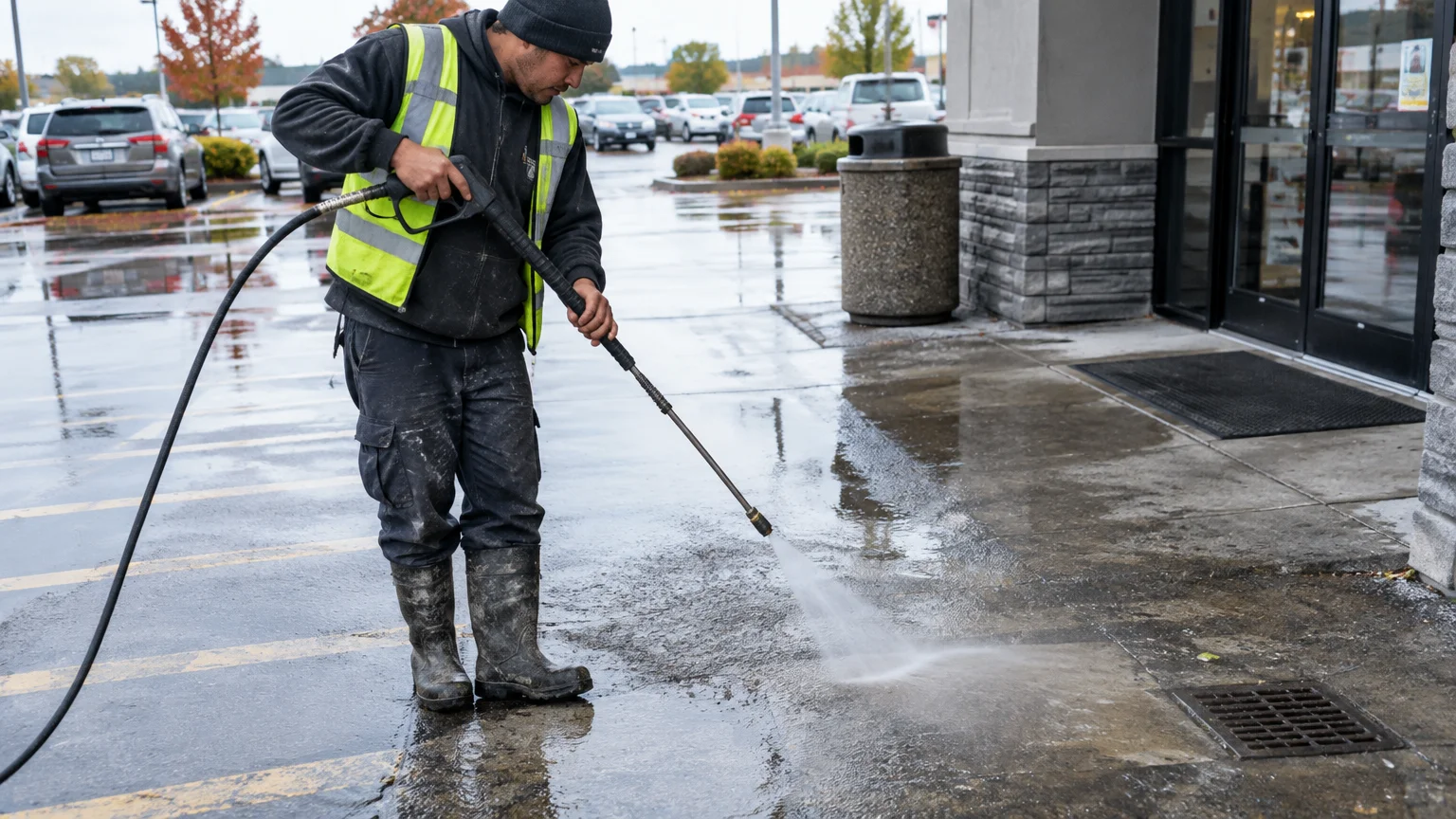
Commercial parking lot pressure washing covers paved parking spaces, drive lanes, curbs, entrances, and nearby concrete. A pressure washer sends water through a narrow nozzle to remove grime from hard surfaces. The work plan depends on the pavement, stains, drains, traffic, and nearby buildings.
Which areas can be cleaned?
A service may cover more than the middle of a parking lot. Common areas include:
- Marked parking spaces and traffic lanes
- Concrete sidewalks, curbs, and wheel stops
- Loading areas and dumpster pads
- Storefront entrances and walkways
- Garage floors, ramps, and stair landings
- Drive-through lanes and service entrances
The crew may start by removing loose trash, leaves, and soil. It can then treat stuck-on grime before washing the surface. Some sites also need gum removal, surface rinsing, or detail work around curbs and corners.
Each stain may need a different method. Dirt can often lift with a surface cleaner and water. Gum may need focused heat or careful scraping. Grease may need a suitable cleaner and more than one pass. A trained worker checks the surface before choosing pressure and tools.
The work may also include concrete cleaning services when sidewalks or loading pads need special care. This creates a fuller plan for the property instead of cleaning only the most visible area.
Why should businesses pressure wash their parking areas?
Businesses use pressure washing to improve appearance, remove slippery buildup, and support regular property care. A clean lot gives visitors a better first impression. It also helps owners see damage, drainage problems, faded markings, and other repair needs.
How does cleaning affect customers and tenants?
People often form an opinion before they enter a store or office. Dark stains, litter, algae, and dirty walkways can make a property seem neglected. Clean pavement creates a more orderly arrival area for customers, staff, tenants, and delivery drivers.
Parking area cleaning can also help limit dirt tracked indoors. This matters at restaurants, medical offices, stores, apartments, and shared office sites. Cleaner entrances may reduce the work needed from indoor staff.
Pressure washing does not repair asphalt, cracks, poor lighting, or damaged striping. Still, cleaning can make these problems easier to see. Property managers can then place repairs into the wider maintenance plan.
Can cleaning support pavement care?
Routine cleaning removes soil, food waste, vehicle fluids, and other buildup. It may help keep grime from spreading onto nearby walks and drains. The crew should use methods that fit the pavement and avoid needless surface damage.
Commercial Pressure Washing can support a larger exterior care plan. Storefront cleaning, concrete cleaning, and building exterior cleaning may all help keep a site looking consistent. The best schedule depends on use, weather, traffic, and surface conditions.
Can pressure washing remove oil stains from parking lots?
Pressure washing can remove or reduce many oil stains, but results vary. Fresh marks are often easier to treat than old stains that have soaked into concrete or asphalt. The cleaner may use a degreaser, agitation, hot water, surface cleaning, or repeat treatment.
What happens to oil and vehicle fluids?
The first step is to identify the stain and protect nearby areas. Oil, grease, coolant, and food waste may react in different ways. A technician chooses a method that fits the surface and helps keep the stain from spreading.
Older marks may need more work because the material has moved below the surface. One wash may improve the area without making it look new. Owners should expect many stains to improve, but deep marks may not fully disappear.
The cleaning team must also manage runoff. Dirty water should not flow freely into entrances, landscaping, or sensitive drains. Local rules and site conditions may affect how wastewater is collected or directed.
Parking Lot Cleaning Services may include stain treatment, sweeping, debris removal, and line-area detail work. These tasks matter because a clean lot needs more than a strong spray of water. Loose debris and residue can return when the source is not handled.
How are parking garages and drive lanes cleaned?
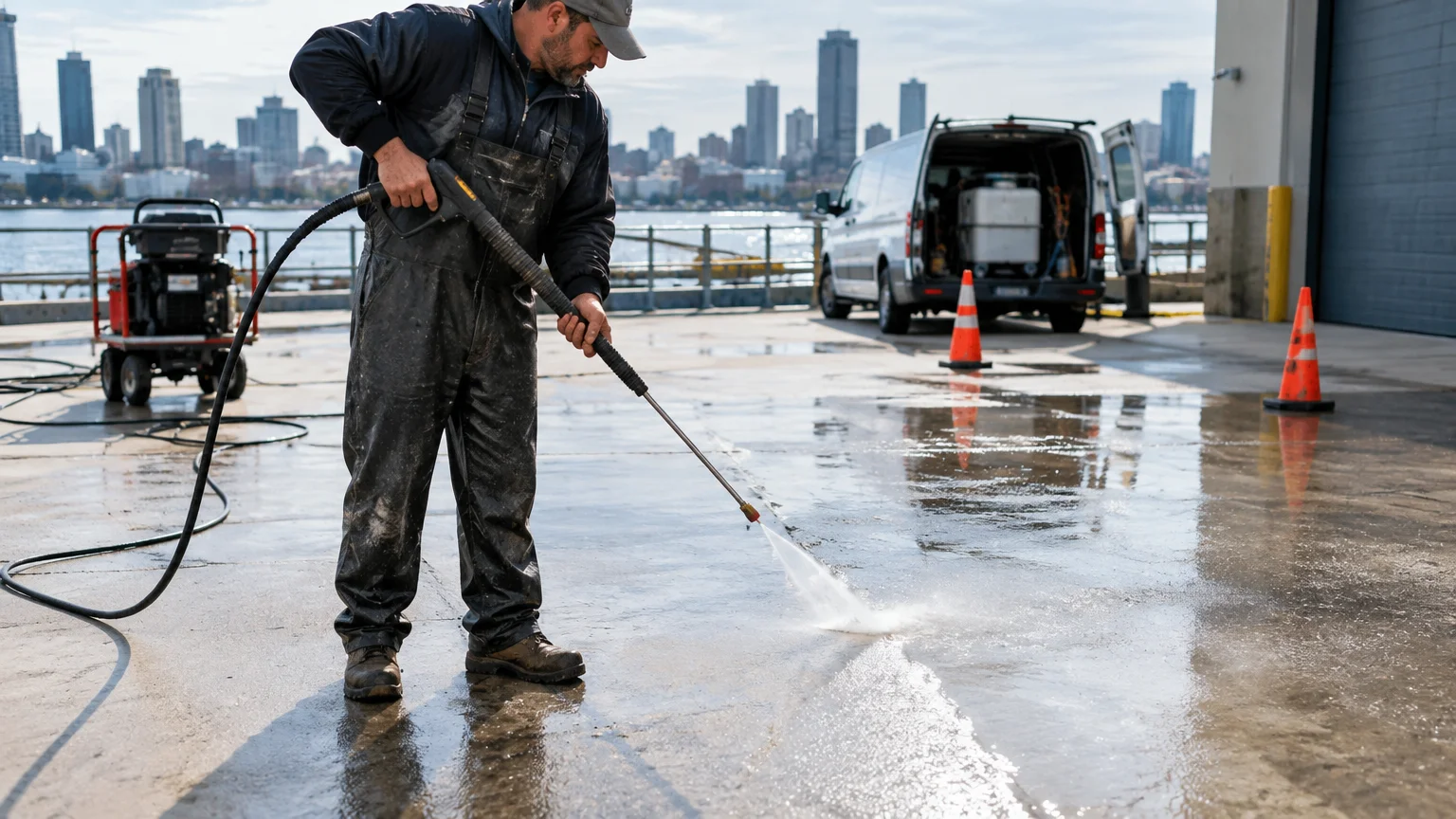
Parking garages and drive lanes need a plan for limited space, moving cars, drains, and people walking nearby. An open lot usually allows wider equipment movement and easier drying. A covered garage may need more care with water control, airflow, lights, and access.
How does the surface change the work?
Garage floors may collect oil, tire dust, dirt, and water marks. Ramps can hold extra grime where vehicles brake and turn. Drive lanes may need focused cleaning along corners, curbs, entrances, and waiting areas.
Technicians inspect joints, drains, painted lines, walls, and nearby doors before work starts. They may use surface cleaners on broad sections and smaller tools near edges. Lower pressure may be needed around weak coatings, paint, joints, or damaged areas.
How are traffic and drainage handled?
A commercial site may need sections closed in stages. Cones, signs, barriers, and clear notices help guide drivers and walkers around the work area. Managers should share the work window with tenants, employees, delivery teams, and customers.
The crew may begin with dry sweeping or debris pickup. It can then wash the surface in controlled sections. Drains, slopes, and collection points should be checked before water is used. This helps reduce blocked drains, standing water, and dirty runoff near doors.
Weather also affects the work. Rain, wind, heat, and cold can change drying time and water movement. Good scheduling helps the job stay safe and lets the area return to normal use sooner.
How often should a commercial parking lot be pressure washed?
There is no single schedule for every commercial parking lot. Cleaning needs depend on traffic, weather, trees, food service, vehicle leaks, pavement type, and how fast dirt returns. A busy restaurant lot may need care more often than a lightly used office lot.
What affects the maintenance schedule?
Property managers should consider these conditions:
- Heavy customer or delivery traffic
- Frequent oil, grease, or food waste
- Shade that keeps surfaces damp
- Storms, wind, dust, or nearby construction
- Parking garages with limited airflow
- Tenants with strict appearance standards
- Lots serving medical, retail, or food businesses
Routine visual checks help managers choose a useful schedule. Walk the property after rain and during busy times. Look for dark stains, slick spots, gum, blocked drains, standing water, and dirt near entrances.
What signs show that cleaning is due?
A lot may need cleaning when stains spread, walking areas feel slick, or dirt enters the building. Strong odors, heavy debris, algae, and dirty dumpster pads are also warning signs. A rise in complaints can point to a cleaning need.
Some owners plan work before busy seasons or property events. Others schedule it after construction, storms, or heavy use. Pressure Washing Slidell can help Slidell property managers compare site conditions and choose a useful plan instead of using the same schedule for every property.
How is commercial parking lot pressure washing performed safely?
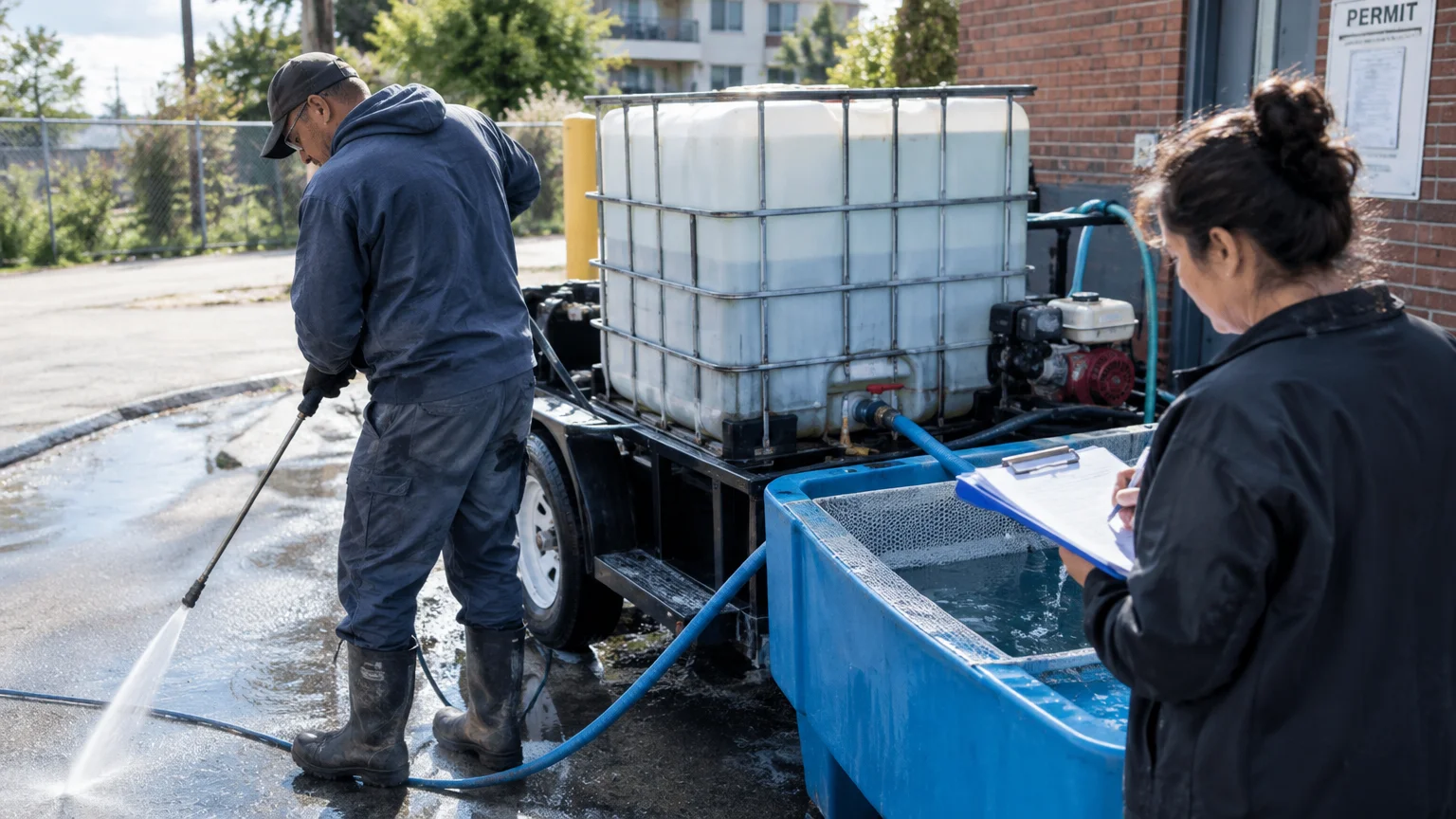
Safe commercial cleaning starts with a site review. The crew checks pavement, drains, slopes, doors, landscaping, signs, vehicles, and nearby people. It then chooses equipment and pressure settings that clean without causing avoidable damage.
What safety steps matter most?
Important steps may include:
- Marking the work area with cones or barriers
- Keeping pedestrians away from active equipment
- Checking for loose pavement, cracks, and weak coatings
- Protecting doors, walls, plants, and electrical fixtures
- Controlling water near drains and building entrances
- Using cleaners that fit the surface and stain
- Checking the area before reopening it to traffic
More pressure is not always better. Too much force can damage weak concrete, strip paint, move joint sand, or roughen a surface. A trained operator adjusts the tool to the material and cleaning goal.
Water control is also important. Runoff can carry oil, dirt, and cleaning products across a property. The crew should plan where water will move and follow local rules. Managers should ask how wastewater will be handled before work begins.
Owners do not need a professional for every small task. Staff may pick up litter, sweep loose debris, and report new leaks when they follow safe work rules. Professional help is better for large areas, deep stains, drainage concerns, strong equipment, and work near customers or moving vehicles.
What should property managers look for in a parking lot cleaning service?
Property managers should choose a service that explains its process, checks the site, and matches the work to the property. A reliable provider should discuss surface types, stains, access, water control, safety, and scheduling before work starts.
Which questions should managers ask?
Useful questions include:
- Which areas are included in the cleaning plan?
- How will oil, gum, and old stains be treated?
- Which equipment and pressure settings fit the surface?
- How will traffic and pedestrian access be managed?
- How will runoff and drains be handled?
- Can the work be completed in planned sections?
- What should the property team do before the crew arrives?
Managers should also ask for a clear work description. It should say whether the service includes sweeping, stain treatment, curbs, sidewalks, dumpster pads, ramps, or garage floors. Clear details help prevent missed areas and confusion later.
How can recurring maintenance be planned?
A recurring plan should match the property’s real use. The manager can track stains, complaints, weather, events, tenant needs, and cleaning results. This record helps the team change the timing instead of waiting until the lot looks badly neglected.
Local experience can help because conditions differ from site to site. Pressure Washing Slidell serves Slidell and nearby communities, including Olde Towne Slidell, Eden Isles, Pearl River, Lacombe, and North Shore. The provider can discuss needs with owners, tenants, and property managers.
Frequently Asked Questions
Can a pressure washer clean painted parking lines?
It can clean around painted lines, but pressure and tool choice must be controlled. Strong pressure or harsh cleaners may fade, chip, or remove paint. A technician should inspect the markings first and choose a method that protects the striping.
Is pressure washing safe for asphalt parking lots?
It can be safe when the operator adjusts pressure, distance, water flow, and cleaning products. Weak areas, cracks, loose edges, and recent repairs need extra care. A site review helps show whether washing, sweeping, or a gentler method fits best.
How do businesses keep parking lots clean between services?
Staff can remove litter, sweep loose debris, report leaks, and keep dumpster areas orderly. Managers should also handle vehicle-fluid spills quickly and check drains after storms. These steps do not replace professional cleaning, but they can limit buildup between visits.
Can pressure washing remove gum from a parking lot?
Yes, gum can often be removed with focused cleaning, scraping, heat, or a suitable treatment. The best method depends on the surface and how long the gum has been there. Careful work helps protect concrete, asphalt, paint, and nearby sealants.
Should a business clean its parking lot before pressure washing?
Loose trash, boxes, leaves, and movable items should be removed first. Clear access helps the crew reach more pavement and keeps debris from moving into drains. The provider may also suggest moving vehicles or closing sections during the work.
Key takeaways
- Parking lot pressure washing cleans spaces, lanes, ramps, curbs, and entrances.
- Oil and grease stains may improve, but deep marks can need more treatment.
- Garages need careful planning for drainage, airflow, traffic, and pedestrians.
- Cleaning schedules should match traffic, weather, stains, and property use.
- Managers should ask about scope, surface protection, runoff, and access.
Conclusion
A clean parking area supports a better arrival experience and a more orderly property. It can remove dirt, gum, oil marks, and other buildup while helping managers see repairs that need attention. The safest results come from a plan based on the surface, traffic, drainage, and site schedule.
Pressure Washing Slidell can help identify practical cleaning needs for lots, garages, drive lanes, sidewalks, and entrances. Contact us to plan your next parking area cleaning service.