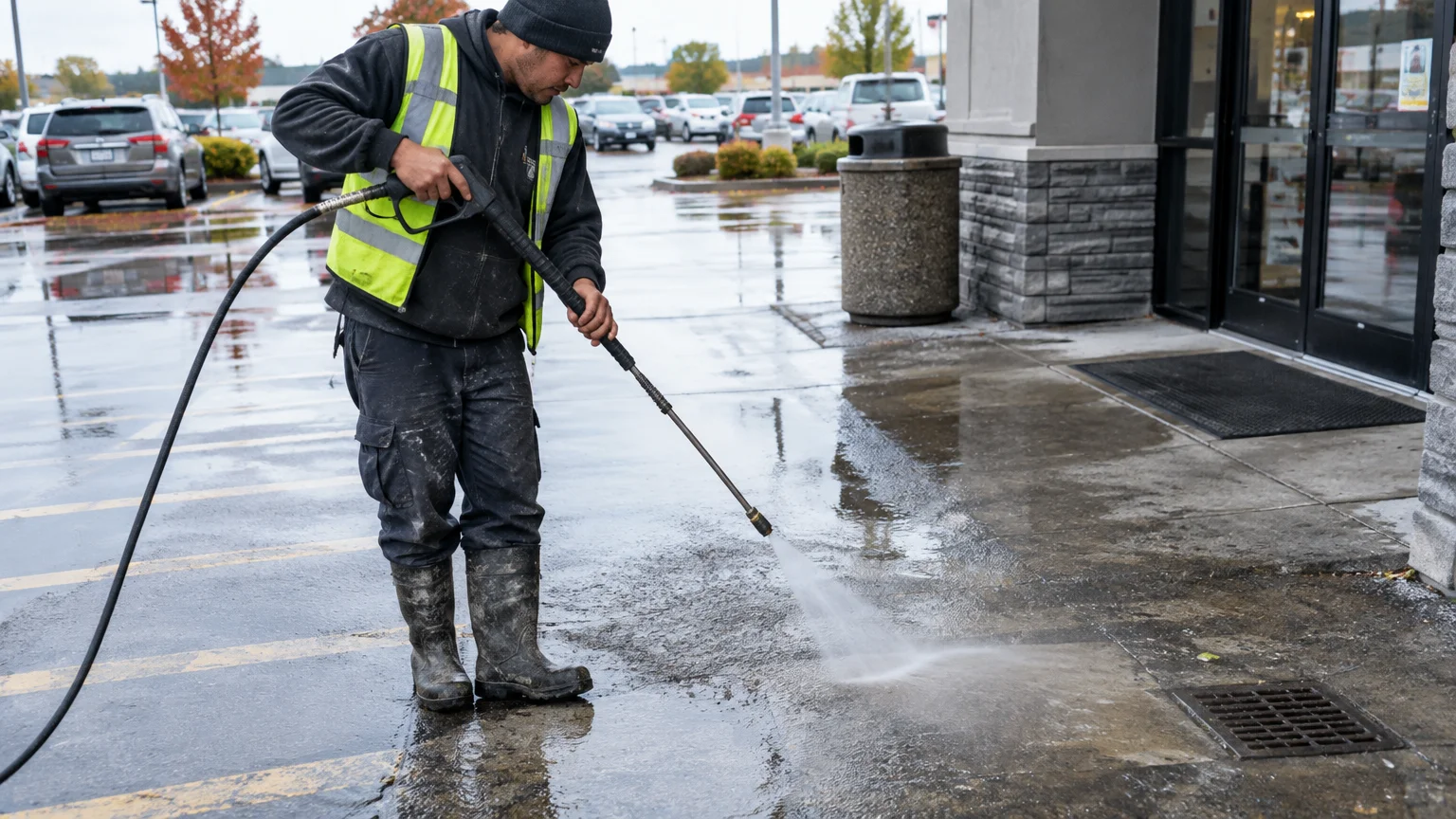
The best time to pressure wash in Slidell is during a mild, dry weather window. Spring and fall often offer good conditions, while summer can work with careful planning. Temperature, rain, sunlight, humidity, surface type, and drying time all affect safety and results. The right time also depends on the home, store, rental property, driveway, or commercial site.
Table of Contents

- What is the best time to pressure wash in Slidell?
- Which months are best for pressure washing in Slidell?
- Can you pressure wash in the fall and winter?
- How should you plan pressure washing around rain and humidity?
- How often should you pressure wash each exterior surface?
- What is the best weather for pressure washing and sealing?
- How can you create a pressure washing schedule for Slidell?
- Key takeaways
- Frequently Asked Questions
- Conclusion
What is the best time to pressure wash in Slidell?
The best time is a mild day with little rain in the forecast. There should also be enough daylight for the surface to dry before evening moisture arrives. Very hot sun, strong wind, high humidity, and freezing temperatures can make cleaning harder. A steady weather window matters more than a certain weekday or month.
Cold weather slows drying and may create ice. Very hot surfaces may dry too fast and leave soap or marks behind. Moderate weather gives water and cleaning products time to work. Remember that dark concrete, metal, and walls can become much hotter in direct sun.
Humidity slows drying on shaded siding, brick, fences, and decks. Strong sunlight may dry a cleaning product before it can work. Wood can also hold water longer than concrete or vinyl. Shade, airflow, and the surface itself should guide the schedule.
Match the cleaning method to the material. Pressure washing uses focused water pressure. Soft washing uses lower pressure and cleaning products for more delicate surfaces. Roofs, old siding, painted wood, and fragile brick may need trained care. Pressure Washing Slidell can help property owners choose a safe washing window.
Avoid storms, strong wind, freezing conditions, and extreme heat. Rain can spread dirt and weaken cleaning products. Wind can carry spray onto windows, cars, plants, and nearby property. If the weather changes, stopping the work can protect the result and help prevent slippery areas.
Which months are best for pressure washing in Slidell?
Spring and fall are often the easiest seasons for exterior cleaning. They commonly bring milder temperatures and less intense sun. The exact choice still depends on rain, shade, surface type, and the property’s needs.
Spring cleaning can remove winter dirt, pollen, algae, and outdoor grime. It is also a good time to check siding, driveways, patios, fences, and brick. Look for loose paint, cracks, damaged boards, dark streaks, and blocked areas before cleaning.
A spring plan may include:
- Washing siding after heavy pollen settles
- Cleaning driveways and walkways before frequent outdoor use
- Removing algae from patios and pool decks
- Cleaning fences before staining or painting
- Checking brick for dirt, mildew, and loose mortar
Summer can work, but early starts may be better. Hot surfaces and fast drying can make the job harder. Humidity and sudden storms may also change the plan. Cleaning smaller areas at a time can keep products from drying too soon.
Businesses may schedule work before opening or after customer traffic slows. Property managers can plan around tenants and deliveries. The forecast, shade, and surface condition should guide the final choice. Pressure washing costs also vary by the size of the area, access, surface type, buildup, and work needed; the final cost is confirmed on a quote.
Can you pressure wash in the fall and winter?
Fall can be a good time to wash before winter. Cleaning removes leaves, mud, pollen, and organic growth from steps, patios, walkways, and driveways. A useful window may come after most leaves fall but before repeated freezing weather starts. Check the surfaces again after leaf drop because wet leaves hold moisture and may stain.
Wood decks and fences need gentle care. They may need extra drying time before staining or sealing. A surface can feel dry on top while moisture remains inside. Check shade, airflow, wood condition, and product directions before applying a coating.
Winter washing is possible in some weather, but it has more risks. Water can freeze on steps, walkways, plants, equipment, and porous materials. Avoid washing when temperatures may reach freezing before the surface dries. Shaded areas can stay cold and wet longer than sunny areas.
Simple winter upkeep does not need a professional. Homeowners can sweep leaves, clear light debris, and keep drains open. Pressure washing near ice, roof edges, electrical equipment, fragile materials, or high areas is better left to a trained professional.
How should you plan pressure washing around rain and humidity?
Plan for a dry period before, during, and after washing. Rain can dilute cleaning products, add dirt, and slow drying. High humidity can delay sealing and normal use. Check the forecast more than once because a dry morning may be followed by rain, dew, or overnight moisture.
Drying time depends on the surface. Concrete often dries faster than wood. Shaded brick, fences, decks, and textured siding may hold water in pores and joints. Air movement, sunlight, color, drainage, and the amount of water used also matter.
Concrete, vinyl siding, and smooth metal may dry fairly fast in mild weather. Wood, brick, painted areas, and shade often need more time. Do not cover a damp deck or put furniture on wet concrete too soon. Sealing, staining, and painting need a clean, dry surface, so follow the product label.
Reschedule when rain is heavy, surfaces remain soaked, or more storms are coming. Runoff may carry mud back onto clean areas. A light shower does not always cancel a job, but the service team should check the forecast and surface first.
Homeowners can move loose items, watch the weather, and keep people away from wet areas. A professional should handle questions about slippery surfaces, runoff, electrical equipment, or delicate materials.
How often should you pressure wash each exterior surface?
There is no single schedule for every property. Trees, shade, moisture, traffic, and the kind of buildup all matter. A shaded home near trees may need care sooner than a sunny home. A property near a busy road may collect dust and traffic residue faster.
Inspect surfaces instead of using only a calendar:
- Siding may need cleaning when dirt, algae, mildew, or dark streaks spread.
- Driveways may need care when stains, tire marks, or slippery growth appear.
- Patios and pool decks should be checked for algae and damp areas.
- Decks need gentle cleaning that protects wood fibers and old finishes.
- Fences may need care when dirt, mildew, or green growth changes their color.
- Roof cleaning requires special care because many roofs should not receive high pressure.
Roof material, age, slope, condition, and growth type help determine the safer method. Homeowners can sweep, rinse light dust, remove loose leaves, and inspect surfaces. They should avoid high pressure on fragile paint, damaged wood, roof shingles, windows, and electrical parts.
Light upkeep usually does not need a professional. Heavy growth, deep stains, fragile surfaces, or uncertain equipment settings call for trained help. This is especially true when a job involves ladders, chemicals, public paths, or difficult drainage.
Commercial buildings, rental homes, and busy walkways need closer checks. Customers, tenants, deliveries, and outdoor trash areas can add grime quickly. Parking Lot Cleaning Services may help businesses manage oil spots, gum, debris, and traffic buildup.
Plan around tenant notices, customer access, deliveries, and parking. Cleaning should not block entrances or leave wet walking areas during busy times. A professional is useful for large areas, public access, strong chemicals, oil buildup, poor drainage, or equipment that may create a safety problem.
What is the best weather for pressure washing and sealing?
The best weather for washing and sealing is mild, dry, and steady. The surface must be clean and dry before applying sealer, stain, or paint. Rain, dew, high humidity, and freezing weather can affect how the product bonds and dries. This may lead to cloudy areas, peeling, uneven color, or poor coverage.
A cure window is the time a product needs to dry and harden. Follow the product label because shade, airflow, material, and weather can change that time. A deck under trees may stay damp after an open driveway feels dry.
Delay sealing when rain is likely, moisture remains in the surface, or overnight condensation is expected. Washing and sealing do not always belong on the same day. Wood, brick, and porous concrete often need more drying time than smooth siding.
Homeowners can read the label, check for dampness, and wait during poor weather. Professional help is wise for large areas, uncertain materials, or surfaces that could be harmed by the wrong product. Pressure Washing Slidell can help Slidell property owners plan cleaning first and sealing later.
How can you create a pressure washing schedule for Slidell?
Start with the property’s surfaces, weather, and planned use. Note shaded areas, tree cover, tenant turnover, busy seasons, and places that stay wet. This creates a plan based on actual needs. It also shows which areas need different methods or drying times.
A home may need service after tree pollen, storms, construction, or a long wet period. A business may need separate plans for storefronts, customer areas, loading zones, and parking spaces. Keep notes about stains, algae, runoff, shade, and areas that dry slowly.
A month-by-month maintenance planning checklist
- In early spring, inspect siding, brick, patios, fences, and walkways.
- In late spring, clean outdoor areas before regular gatherings begin.
- In summer, choose cooler hours and watch for humidity and storms.
- In fall, remove leaves and organic growth before wetter weather arrives.
- In winter, avoid freezing conditions and focus on safe sweeping.
- After severe weather, check mud, runoff, stains, and blocked drainage.
This checklist is a starting point, not a fixed calendar. Weather may delay spring work. Summer storms may interrupt plans. Shade may keep surfaces wet after nearby areas dry.
When to schedule around tenants, customers, and property use
Property managers should give notice and keep routes safe. Work can often happen during low-use hours, but the weather window comes first. Mark or block wet surfaces until they are safe to walk on. Businesses may also need to coordinate doors, deliveries, parking, loading zones, and customer paths.
Tenants and business owners can move outdoor items, unlock gates, and keep vehicles away. Homeowners can handle basic preparation themselves. Professional help is better when the plan involves public access, height, difficult drainage, fragile surfaces, or risky equipment.
Pressure Washing Slidell serves property owners in the main Slidell area, including Olde Towne Slidell, Eden Isles, Pearl River, Lacombe, North Shore, and nearby communities. The team can review the right timing for each surface.
Key takeaways
- Mild, dry weather is usually best for exterior washing.
- Spring and fall often provide useful weather windows.
- Rain, humidity, wind, and freezing temperatures can delay results.
- Wood, brick, decks, and shaded areas may need longer drying time.
- Homeowners can handle light upkeep, while risky work needs professional care.
Frequently Asked Questions
Is spring or fall better for pressure washing?
Both seasons can work well. Spring removes winter grime and pollen before outdoor use grows. Fall removes leaves and organic buildup before colder weather arrives. The better choice depends on the forecast, surface, shade, and planned use. A clear, dry window matters more than choosing one season every year.
Can pressure washing be done after rain?
Yes, but check the surface first. Heavy rain may leave mud, runoff, and deep moisture. A light shower may cause less delay. Wait when more rain is expected or surfaces cannot dry safely. Homeowners can check for standing water and loose debris, but a professional should review slippery areas or runoff damage.
What psi pressure washer is safe for siding?
The safe setting depends on the siding material, age, and condition. Too much pressure can force water behind panels or harm paint. Many siding surfaces suit soft washing or a lower-pressure method. Old, loose, cracked, painted, or unfamiliar siding should be handled with care.
How do homeowners safely clean a deck with a power washer?
Check the wood and protect nearby plants first. Use a wide spray pattern and keep the wand moving. High pressure can cut wood fibers and leave marks. Sweeping is safer for light debris. Old finishes, damage, and heavy growth may need professional help.
What is the difference between pressure washing and soft washing?
Pressure washing uses more water force to remove surface buildup. Soft washing uses lower pressure and a suitable cleaning product. The safer choice depends on the material. Roofs, old siding, and painted surfaces often need extra care. The wrong pressure or product can harm surfaces and nearby plants.
Conclusion
The best time to pressure wash in Slidell depends on weather, surface type, and property use. Mild conditions, low rain risk, and enough drying time usually give better results. Spring and fall are often practical choices. Summer can work when heat, humidity, shade, and storms are managed well.
Winter work needs extra care because freezing temperatures and slow drying can create hazards. Homeowners can safely handle light sweeping, inspections, and simple debris removal. Delicate, large, or risky cleaning is better handled by a professional.
Pressure Washing Slidell can help review the cleaning window and match the method to the surface. Contact us to plan pressure washing for your property.