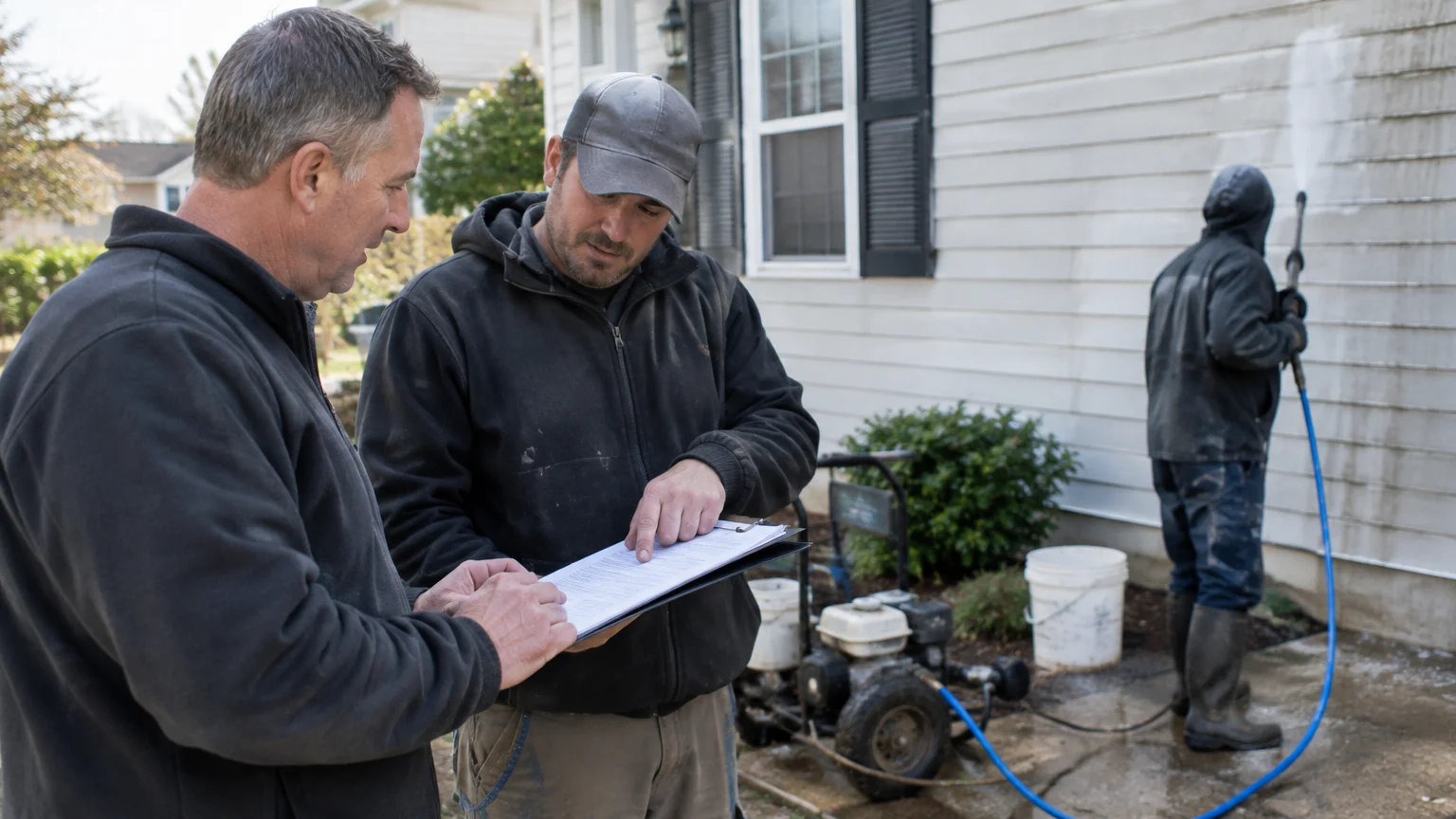
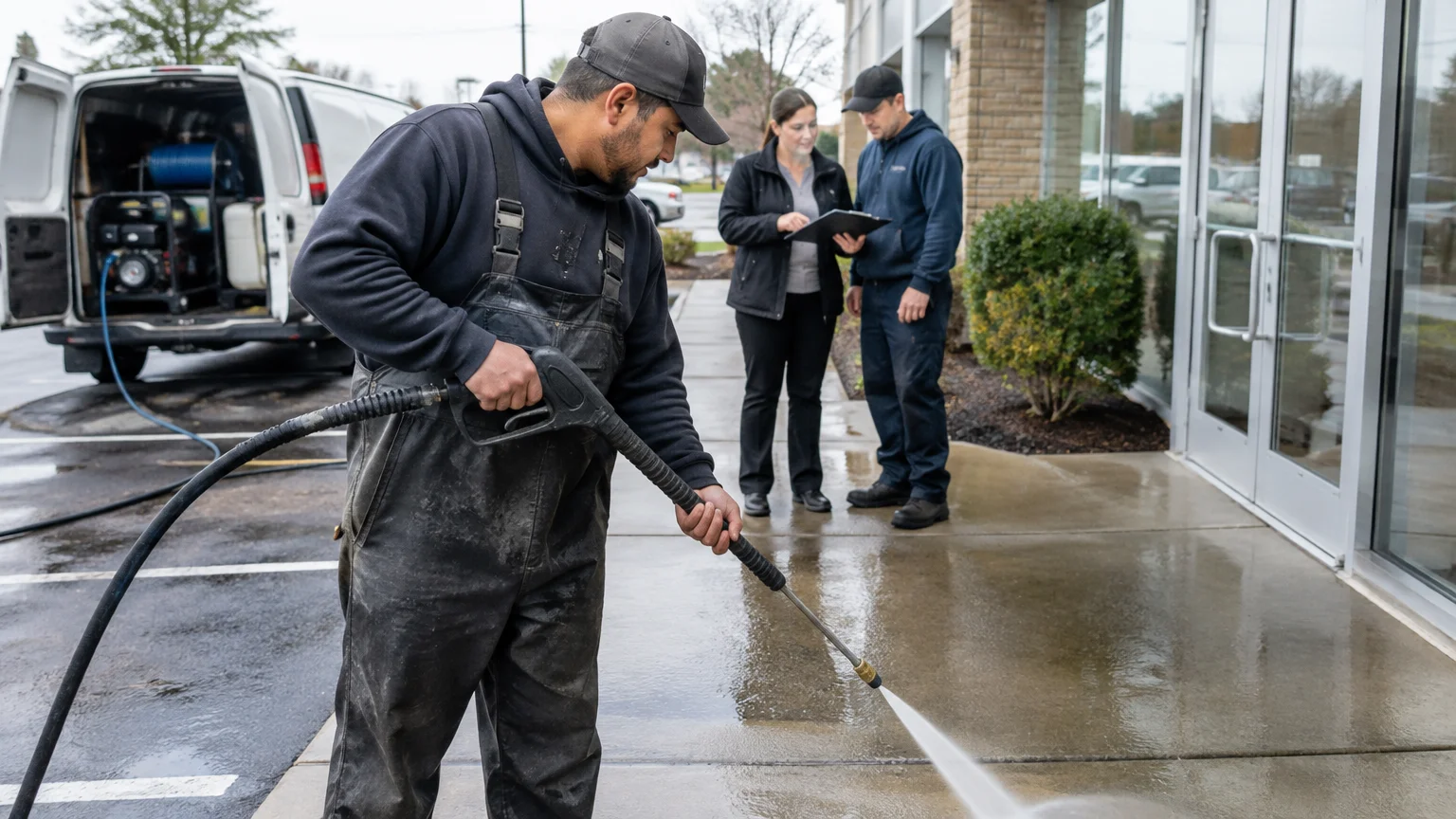
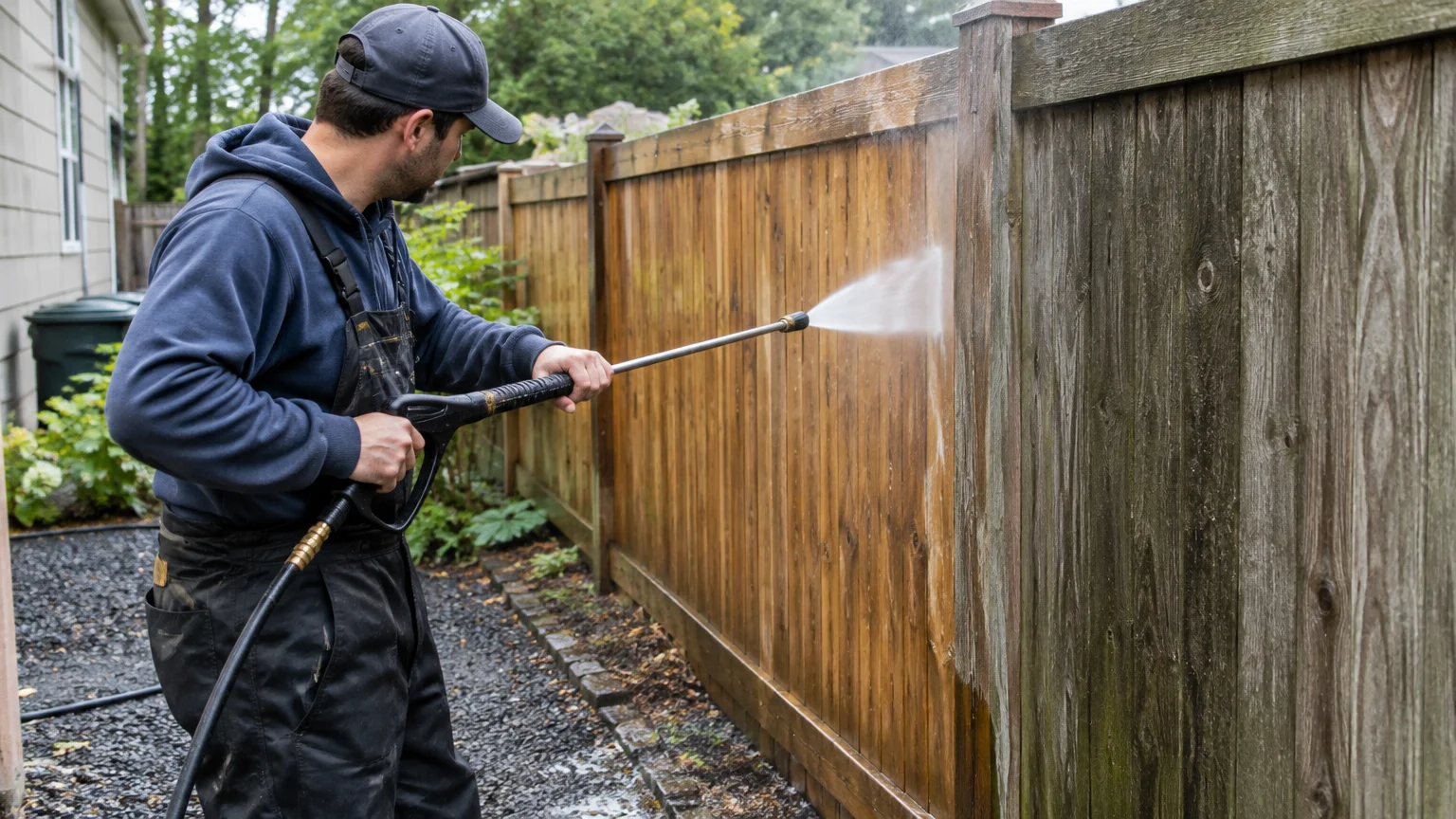
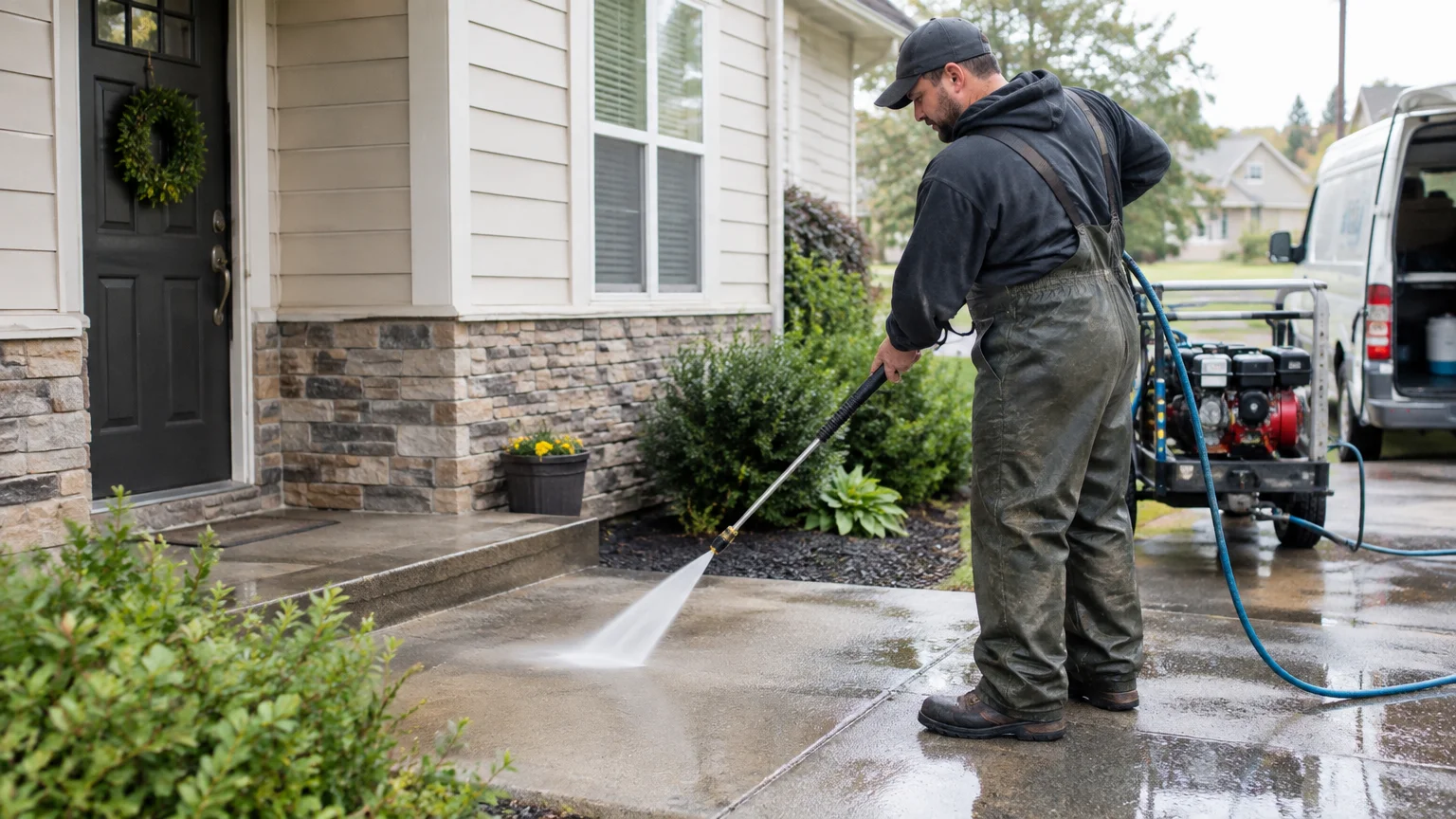
To pressure wash vinyl siding safely, use low pressure, a wide spray, a gentle cleaner, and enough space. Keep the spray moving across the panels, never behind them. This method can remove dirt, mold, and mildew while helping prevent cracks, loose panels, streaks, and water behind the siding.
Table of Contents
- Can you safely pressure wash vinyl siding?
- What should you do before pressure washing vinyl siding?
- What pressure washer settings are safest for vinyl siding?
- What cleaning solution should you use on vinyl siding?
- How do you pressure wash vinyl siding without causing damage?
- What common mistakes should you avoid when cleaning vinyl siding?
- When should you hire a professional to wash vinyl siding?
- Frequently Asked Questions
- Key takeaways
- Conclusion
Can you safely pressure wash vinyl siding?
Yes, many homeowners can safely pressure wash vinyl siding. The machine and method must fit the surface. Vinyl siding can handle rain and normal outdoor wear. Yet it may crack, bend, loosen, or let water behind the panels when the spray is too strong or too close.
The goal is not to use the strongest setting. Use the least force needed to remove the dirt. A wide spray and smooth movement are safer than a thin, hard stream. Pressure Washing Slidell can help Slidell homeowners decide between careful home cleaning and professional House Washing Services when the siding needs more care.
How pressure washing can damage vinyl siding
A narrow nozzle can cut the surface or leave marks. Strong water can also push under a panel, around a window, or behind a loose section. Hidden water may reach insulation, wood, or other wall parts.
High pressure can move siding panels out of place. This risk grows when the siding is old, brittle, cracked, or loose. Spraying upward makes the risk worse because water can travel behind the panels that overlap.
When pressure washing is appropriate
Pressure washing can work well on loose dirt, dust, pollen, and light organic growth. It may also clean siding before painting or other outside work. First, check for damage. Washing cannot repair broken panels, open seams, or failed caulk.
Some homes are better suited to soft washing. Soft washing uses low water pressure and a cleaning solution to loosen grime. It often works better for old siding, heavy mildew, delicate trim, and areas near openings. The right choice depends on the siding, stain, and operator’s control.
What should you do before pressure washing vinyl siding?
Before you start, inspect the siding, close all openings, move loose items, and protect plants. Good preparation helps prevent damage that a spray wand cannot fix. It also helps you find weak spots before water reaches them.
Check the water source and equipment as well. The hose should not leak, and the wand should connect firmly. The nozzle should be clean and clear. Keep all windows and doors closed during the wash.
Inspecting the siding for cracks, gaps, and loose panels
Walk around the home and look at each wall from the ground. Check for cracked panels, open seams, loose corners, missing trim, and gaps near windows. Also check where the siding meets the roof, deck, porch, and foundation.
Small damage can grow under pressure. Homeowners can safely do this visual check themselves. They can also remove cobwebs and trim light plant growth away from the wall. Damaged siding should be repaired before washing.
Protecting windows, doors, plants, and outdoor fixtures
Close and latch windows and doors. Cover outdoor outlets, cameras, lights, and other items that should stay dry. Move furniture, toys, grills, and decorations away from the work area.
Water plants near the wall before washing. Cover delicate plants loosely when needed. Keep detergent away from ponds and storm drains. Follow the product label for safe use near grass, shrubs, and garden beds. A clear work area also helps keep the spray even.
What pressure washer settings are safest for vinyl siding?
The safest setting is the lowest pressure that removes the dirt. A wide fan nozzle is safer than a narrow tip because it spreads water across more space. Test a hidden spot first. Watch for color changes, marks, texture changes, or panel movement.
The best setting depends on the machine, nozzle, siding, and wand distance. No single setting works for every home. Follow the machine maker’s instructions. Stop if the siding flexes or water enters a seam.
Choosing the right nozzle and spray distance
A wide-angle nozzle gives a softer spray than a narrow tip. Start with the wand farther from the siding. Move closer only if the surface stays firm and clean. Keep the wand moving so one spot does not receive too much force.
Aim straight at the siding or slightly downward. Never point the spray upward under the panels. Give corners, vents, window trim, and damaged spots extra space. Use less force in these areas.
Adjusting water pressure for different siding conditions
New, sound siding may handle more force than old or brittle siding. Still, stronger pressure is not always better. Light dirt may need only water and mild detergent. Mildew often needs more time with the cleaner, not more pressure.
Change only one thing at a time. If dirt remains, let the solution work longer before raising pressure. If the siding moves, cracks, or shows marks, stop. Switch to a gentler method.
What cleaning solution should you use on vinyl siding?
A detergent made for exterior surfaces and vinyl siding is a good choice. Mix and apply it exactly as the label says. Too much cleaner can leave a film, harm plants, or make rinsing harder.
The right cleaner loosens grime before the rinse. This lets the water do less work. It is one reason soft washing can clean delicate surfaces with less force. Never mix cleaning products unless the labels clearly say it is safe.
Selecting a siding-safe detergent
Choose a product that names vinyl siding or exterior house cleaning on its label. Avoid harsh powders, rough cleaners, and products that may harm painted trim. Test the mixture on a small hidden area before washing the whole wall.
Apply the solution from the bottom upward when possible. This may help reduce uneven runs on a dirty wall. Keep the siding wet while the product works. Do not let it dry in direct sun. Read the label for contact time, safety gear, and rinse steps.
Handling mold, mildew, algae, and stubborn stains
Mold, mildew, and algae are types of organic growth. They can leave dark, green, or gray marks on vinyl siding. A suitable exterior cleaner can loosen this growth. The wall may need more than one gentle pass.
Hard scrubbing or a sharp spray can cause lasting damage. Rust, tree sap, smoke, and nearby metal can create different stains. These stains may need different products and careful testing. If a siding-safe cleaner does not work, avoid stronger chemicals and seek help from a professional House Washing Services provider.
How do you pressure wash vinyl siding without causing damage?
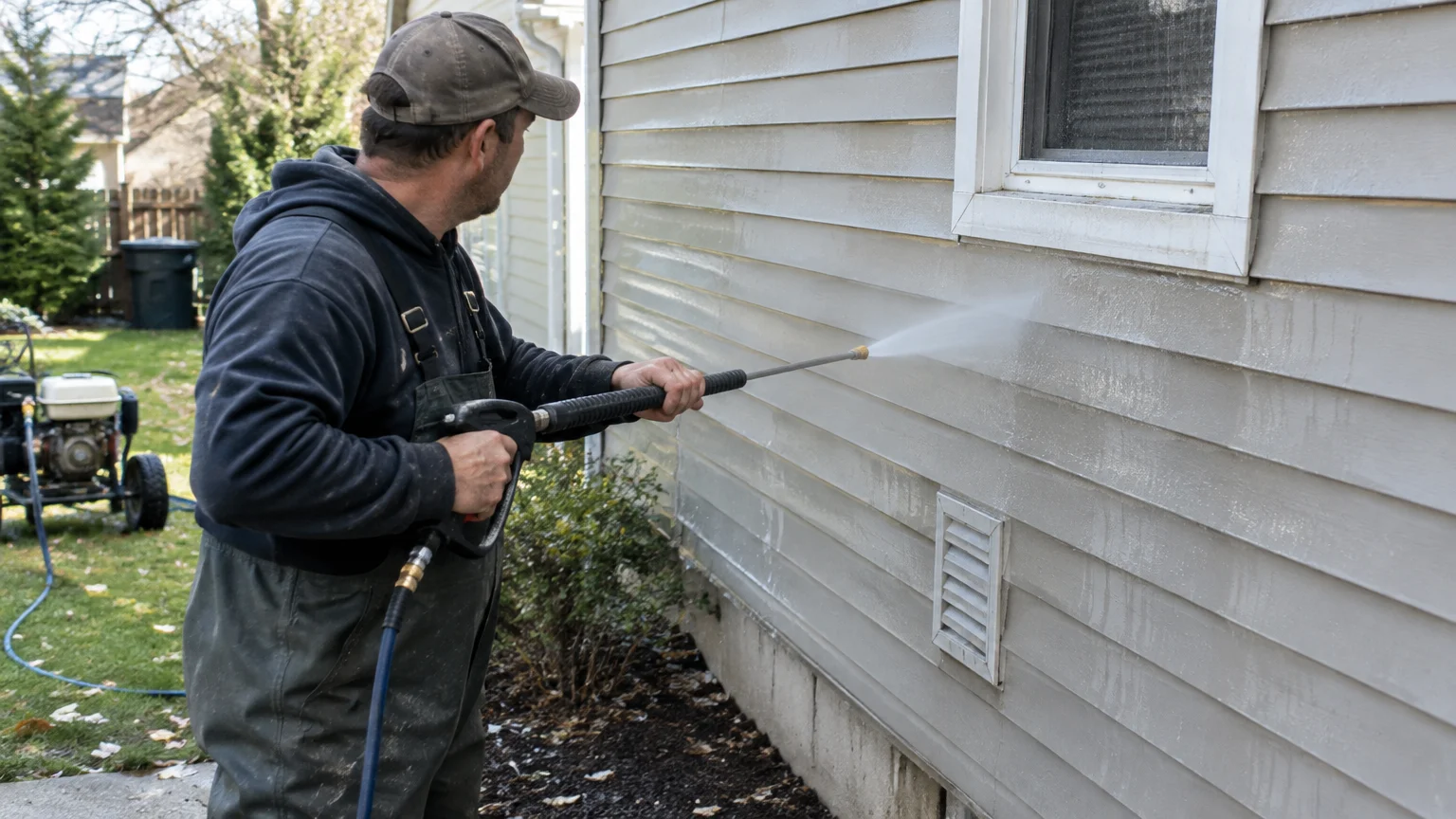
Work in small sections and keep the spray moving. Apply detergent, let it work as directed, then rinse from the top down with a wide spray. Keep the wand away from seams, vents, windows, and damaged spots.
A steady pattern helps prevent missed areas and streaks. Watch the siding while you work, not only the dirt. Stop and reassess if a panel moves, lifts, or lets water enter.
Using the correct spray direction and washing pattern
Start at the top of one wall. Work across it with overlapping passes. Keep the spray aimed slightly downward. This follows the way siding overlaps and lowers the chance of forcing water behind it.
Wash one small section at a time. Rinse before the detergent dries. Use a soft hand brush near trim, lights, and windows. Do not bring the pressure wand close to these areas.
Rinsing thoroughly without forcing water behind the siding
Rinse until all soap, foam, and dirty water are gone. Begin at the top and guide the water down. Keep the wand at a safe distance. Avoid seams, vents, electrical items, and openings.
After rinsing, inspect the wall from several angles. Look for cloudy film, missed dirt, streaks, and water near doors or windows. Let the siding dry before deciding if another gentle pass is needed.
What common mistakes should you avoid when cleaning vinyl siding?
Most siding damage comes from too much force, poor spray direction, or weak preparation. Do not rush the job. A fast wash can leave stains and create water problems. Simple checks during the work help protect the home.
A pressure washer also cannot replace repairs. Loose panels, failed caulk, and damaged trim need care before cleaning. Clean siding will not stay dry if water can enter behind it. Spilling gutters can also make fresh dirt return.
Why spraying upward and working too close can cause problems
Spraying upward can push water behind overlapping siding. Working too close can bend panels, damage caulk, and mark the finish. A narrow nozzle can cause the same problems, even when the machine setting seems mild.
Holding the wand still is another common mistake. A still spray puts too much force in one place. Use smooth passes, keep a safe distance, and lower the force near corners and openings.
When should you hire a professional to wash vinyl siding?
A homeowner does not need a professional for light dirt and simple upkeep. DIY cleaning is reasonable when the siding is sound and the person can safely control the equipment. Professional help makes more sense for tall walls, heavy growth, fragile siding, hard-to-reach areas, or signs of water entry.
A trained technician can compare pressure washing with soft washing. They can choose the safer method for each surface. Pressure Washing Slidell serves local customers and can assess whether the home needs House Washing Services or a gentler cleaning plan.
Signs the job may require professional equipment or experience
Professional help may be useful when:
- Siding panels are cracked, loose, brittle, or badly stained.
- The home has more than one story or difficult roofline access.
- Mold or algae covers large parts of the outside.
- Water has entered near windows, doors, vents, or wall seams.
- The homeowner cannot safely control a pressure washer.
A professional should explain the cleaning method before work begins. Ask how the siding, plants, windows, and outdoor fixtures will be protected. The plan should match the home’s surface and condition.
How to maintain clean vinyl siding after pressure washing
Simple care can help siding stay cleaner. Rinse light dust when needed. Keep gutters flowing, trim branches away from the wall, and repair loose panels quickly. Check shaded areas more often because they may stay damp longer.
Homeowners can safely do these simple checks themselves. Professional cleaning helps when stains return quickly, growth covers large areas, or safe access is hard. Early care is usually easier than waiting for damage.
Frequently Asked Questions
What PSI pressure washer do I need to clean siding?
The safest pressure depends on the machine, nozzle, distance, and siding condition. Start with the lowest useful setting and test a hidden area. A wide spray and careful movement matter more than a powerful machine. Soft washing may be safer for old, damaged, or delicate vinyl siding.
What PSI should be used to wash vinyl siding?
There is no setting that fits every vinyl-sided home. Light dirt may need little force, while detergent can handle much of the cleaning. Keep the wand far enough away to prevent panel movement and water entry. Stop and lower the force if the siding flexes.
How often should a house be power washed?
Clean a house when dirt, mildew, algae, or pollen becomes easy to see. There is no fixed schedule for every home. Shade, trees, moisture, and local weather affect how fast buildup returns. A yearly check can help you decide when cleaning is needed.
Can pressure washing remove mold and mildew from vinyl siding?
It can remove surface growth when the right exterior detergent and rinse method are used. More pressure is not the best answer. Strong water may damage siding or push water behind it. Deep stains may need professional soft washing and a check for moisture sources.
Is soft washing better than pressure washing for vinyl siding?
Soft washing is often safer for old siding, heavy organic growth, trim, and openings. It uses low pressure with a cleaning solution. Pressure washing may suit sound siding with loose dirt. The best choice depends on the surface, stain, access, and operator’s control. When comparing soft wash vs pressure washing, safety should come first.
Key takeaways
- Use the lowest useful pressure with a wide spray pattern.
- Inspect and protect the home before using water or detergent.
- Spray downward or straight on, never upward beneath siding panels.
- Let a siding-safe cleaner work instead of adding more force.
- Choose professional help for tall, damaged, fragile, or heavily stained siding.
Conclusion
Vinyl siding can be cleaned safely when the process is slow, gentle, and planned. The main risks come from strong pressure, narrow nozzles, upward spray, and hidden damage. Homeowners can handle light cleaning and simple checks. Hard access or heavy growth may need professional care.
Pressure Washing Slidell can help property owners remove dirt, mildew, and outdoor buildup while protecting their siding. Slidell homeowners can use these same safety steps between professional washes. Contact us to discuss a safe house washing plan.