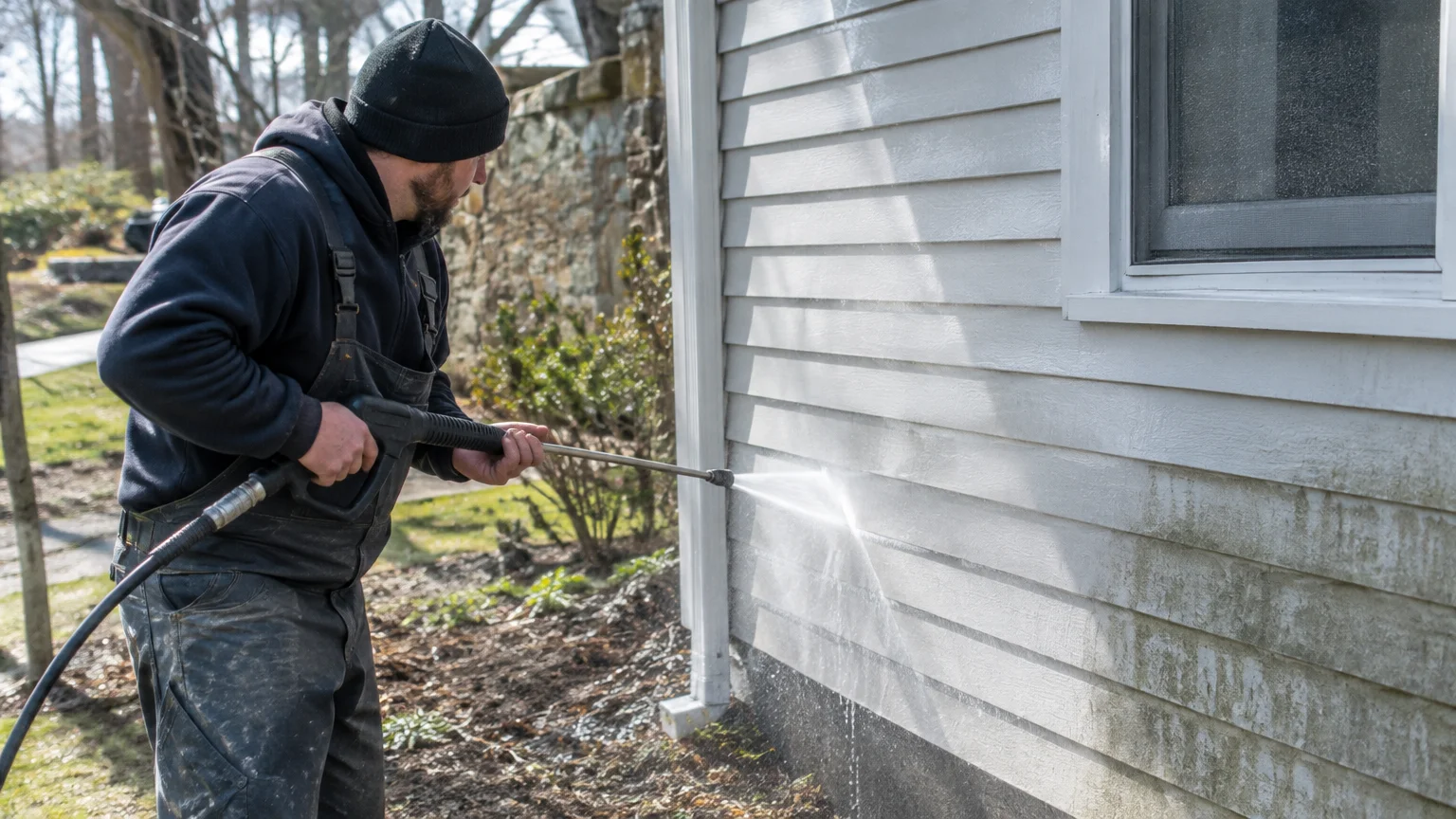
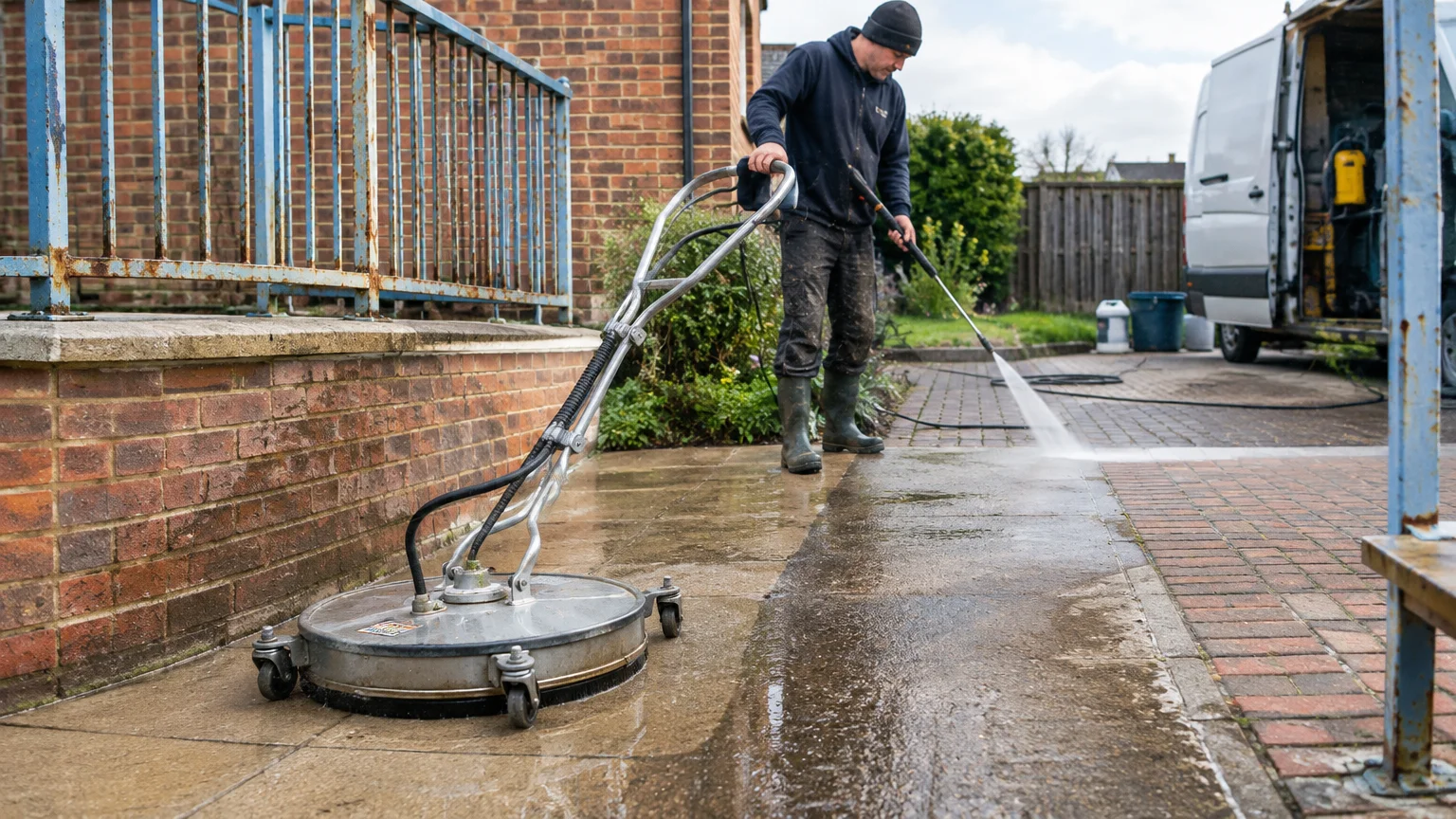
A pressure washing scope of work explains what will be cleaned, how the work will be done, and what results to expect. The pressure washing scope of work should list surfaces, access needs, stains, safety steps, and cleanup. A clear plan helps Slidell property owners compare quotes and avoid unclear work limits.
Table of Contents
- What does a pressure washing scope of work include?
- Which property factors change the scope of pressure washing?
- How do preparation and protection affect the job scope?
- What is the difference between pressure washing and soft washing?
- How does the scope change for common pressure washing projects?
- How can you compare two pressure washing quotes accurately?
- How should you confirm the scope before scheduling pressure washing?
What does a pressure washing scope of work include?
A pressure washing scope of work should name each area, surface, cleaning method, and expected result. It should also cover preparation, protection, cleanup, and work that is not included. These details help homeowners, tenants, investors, and property managers understand the quote.
Areas, surfaces, and services covered
The scope should list the exact areas to be cleaned. These may include a driveway, front walk, patio, pool deck, fence, siding, roof, storefront, loading area, or parking lot. It should say whether the whole surface is included or only certain sections.
A good scope also names the surface material. Concrete, brick, wood, composite decking, vinyl siding, stucco, asphalt, and roofing materials all need different care. A request for patio cleaning may not include steps, walls, furniture, or pool coping unless the written scope lists them.
The scope may include related services, such as Concrete Cleaning Services, Deck Cleaning Services, Building Washing Services, or commercial pressure washing. Each service should list its own limits. Cleaning may remove dirt and mildew, but it does not repair cracks, replace boards, or remove every old oil mark.
Cleaning standards and expected results
The scope should explain the expected result in plain words. It may say that loose dirt, algae, mildew, and surface grime will be removed. It should not promise that every stain, faded area, or old coating will disappear.
The final look depends on the surface and buildup. Older concrete may still show marks after cleaning. Wood may keep natural color changes. A clear scope sets a fair standard and helps prevent confusion after the job.
Which property factors change the scope of pressure washing?
Property size, surface type, access, and buildup all change the work plan. A small front walk may need a simple setup. A large business site may need extra protection, traffic control, and several cleaning methods. The same service name can describe very different jobs.
Surface type, size, and accessibility
Concrete often handles more pressure than painted wood or vinyl siding. Brick needs care around mortar joints. Roofs usually need a gentler method than driveways. The material guides water pressure, nozzle choice, cleaning solution, and work speed.
Size matters too. A narrow walkway and a long driveway do not need the same setup. A large building may need lifts, long hoses, more workers, or a plan to keep people away from wet areas. Tight gates, steep slopes, locked spaces, and limited water access can add work.
Access should appear in the written scope. A worker may need to move hoses across a side yard or reach an upper wall from a safe area. If a roof, rear patio, or fenced space is hard to reach, the quote should explain the planned method.
Soil, stains, buildup, and surface condition
Dirt is only one kind of buildup. Algae, mildew, moss, rust, grease, tire marks, bird waste, and old sealers may need different treatment. Some stains sit on top. Others soak into porous surfaces or change their color.
Surface condition also matters. Loose paint, cracked concrete, soft wood, weak mortar, and damaged siding can change what is safe. Cleaning may reveal damage hidden by grime. A careful scope should note visible concerns before work begins and explain when repairs are not part of cleaning.
Pressure Washing Slidell can help property owners decide which areas belong in one project. A site review, clear photos, or measurements can make the scope more useful. These steps do not promise a certain final result.
How do preparation and protection affect the job scope?
Preparation and protection are key parts of the cleaning plan. The scope should explain what the owner must move or secure. It should also say what the cleaning team will protect. These steps can change the time, tools, and work plan.
What homeowners and property managers may need to move or secure
Outdoor furniture, planters, toys, mats, tools, vehicles, and loose decorations may need to move. Gates should be unlocked, pets kept indoors, and access paths kept clear. Businesses may need to move displays, close a doorway briefly, or guide people around wet areas.
The written scope should say who handles these tasks. It should also explain what happens when an item cannot move. Heavy equipment, fragile decorations, and attached signs may need special protection. Some items may remain outside the cleaning area.
Landscaping, windows, doors, and runoff considerations
Plants and garden beds should be covered or rinsed as needed. Windows and doors should stay closed during the work. Outdoor outlets, lights, speakers, vents, and delicate finishes may need protection from water and cleaning products.
Runoff is another key detail. Dirty water and cleaning products should be managed so they do not enter unwanted areas. The plan may direct water away from doors, control overspray, and rinse nearby surfaces after cleaning. Commercial sites may have local runoff rules, so property managers should ask what steps are included.
Preparation also supports safer work. The crew should check for slip risks, overhead lines, fragile surfaces, and areas used by guests or customers. A complete scope explains these controls in simple terms.
What is the difference between pressure washing and soft washing?
Pressure washing uses pressurized water to clean a surface. Soft washing uses lower pressure, a cleaning solution, and controlled rinsing. The safer method depends on the material, buildup, height, and surface condition. Good cleaning is not based on pressure alone.
When higher pressure may be appropriate
Higher pressure may suit hard surfaces such as sound concrete, some masonry, and certain uncoated areas. A surface cleaner can help clean broad concrete areas with an even pattern. The operator must still watch for cracks, weak edges, and damaged joints.
More pressure does not always mean better cleaning. Too much force can mark concrete, remove joint sand, damage paint, splinter wood, or push water behind siding. The scope should name the general method and explain its limits.
When lower pressure and cleaning solutions are safer
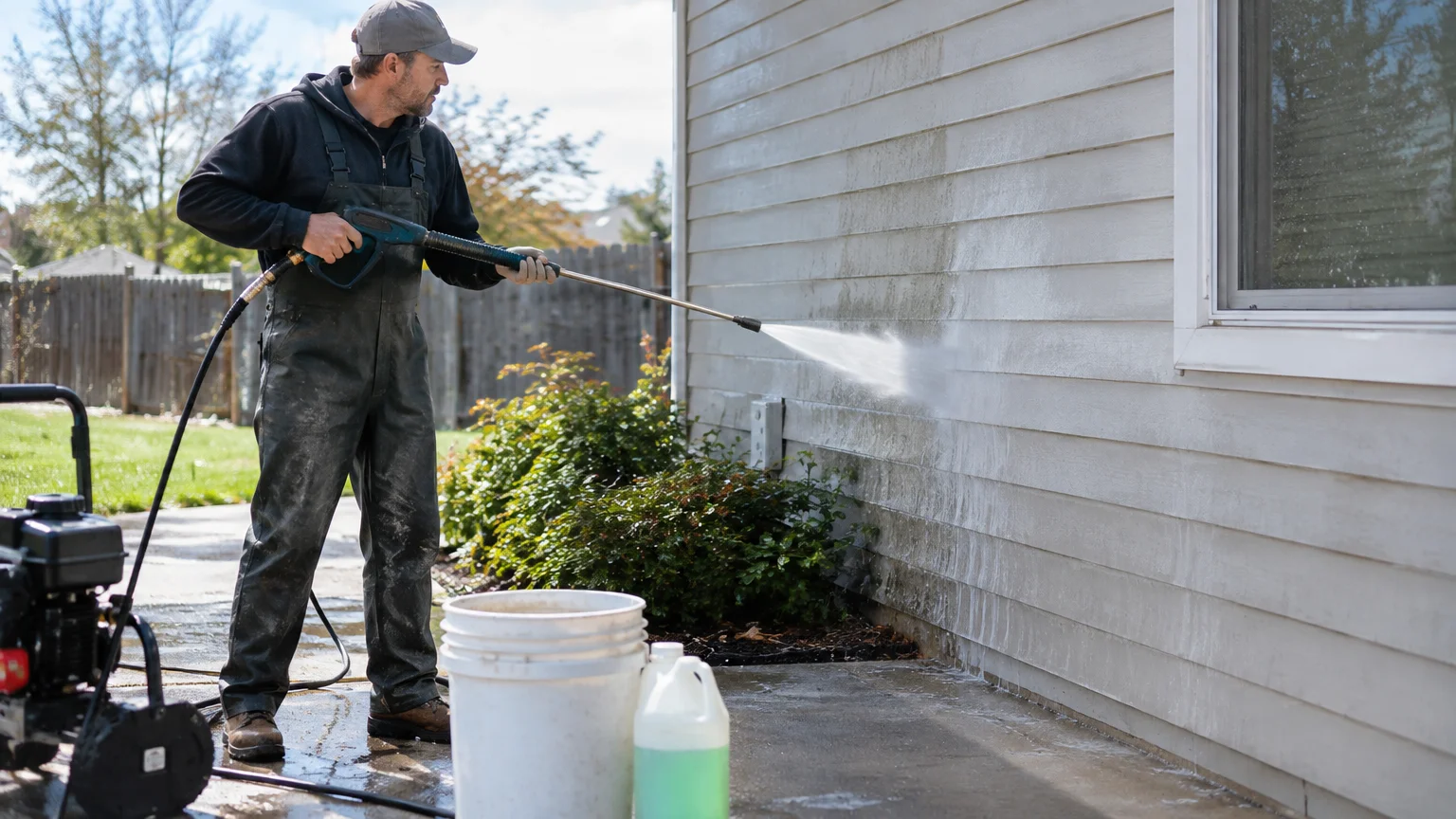
Soft washing is often safer for siding, roofs, painted surfaces, delicate masonry, and areas with organic growth. The solution helps loosen algae, mildew, and grime. Low-pressure rinsing then lowers the chance of surface damage. The solution and rinse plan should match the material.
For vinyl siding, the key question is not only what PSI pressure washer to use. PSI means pounds per square inch, or water force. The better question is which method protects the siding, windows, plants, and wall system. Roof cleaning also needs care because walking and strong spray can damage roofing materials.
The scope should say whether pressure washing, soft washing, hand cleaning, or a blended method will be used. It should also say who decides if the method must change after inspection.
How does the scope change for common pressure washing projects?
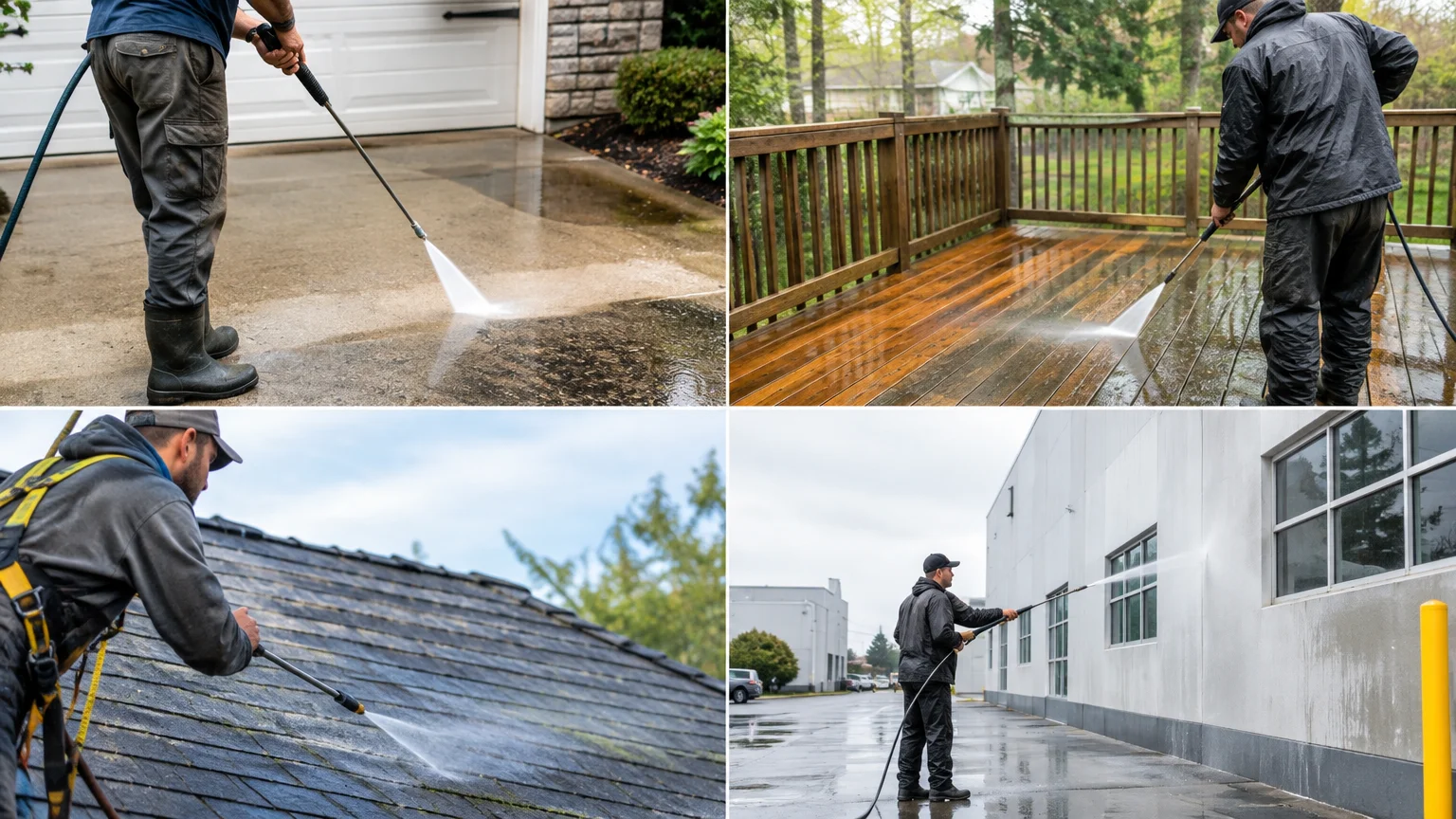
The scope changes because each project has different surfaces, risks, and results. A driveway, deck, roof, and commercial building should not have the same short description. Each needs its own cleaning area, method, protection plan, and limits.
Driveways, sidewalks, patios, and decks
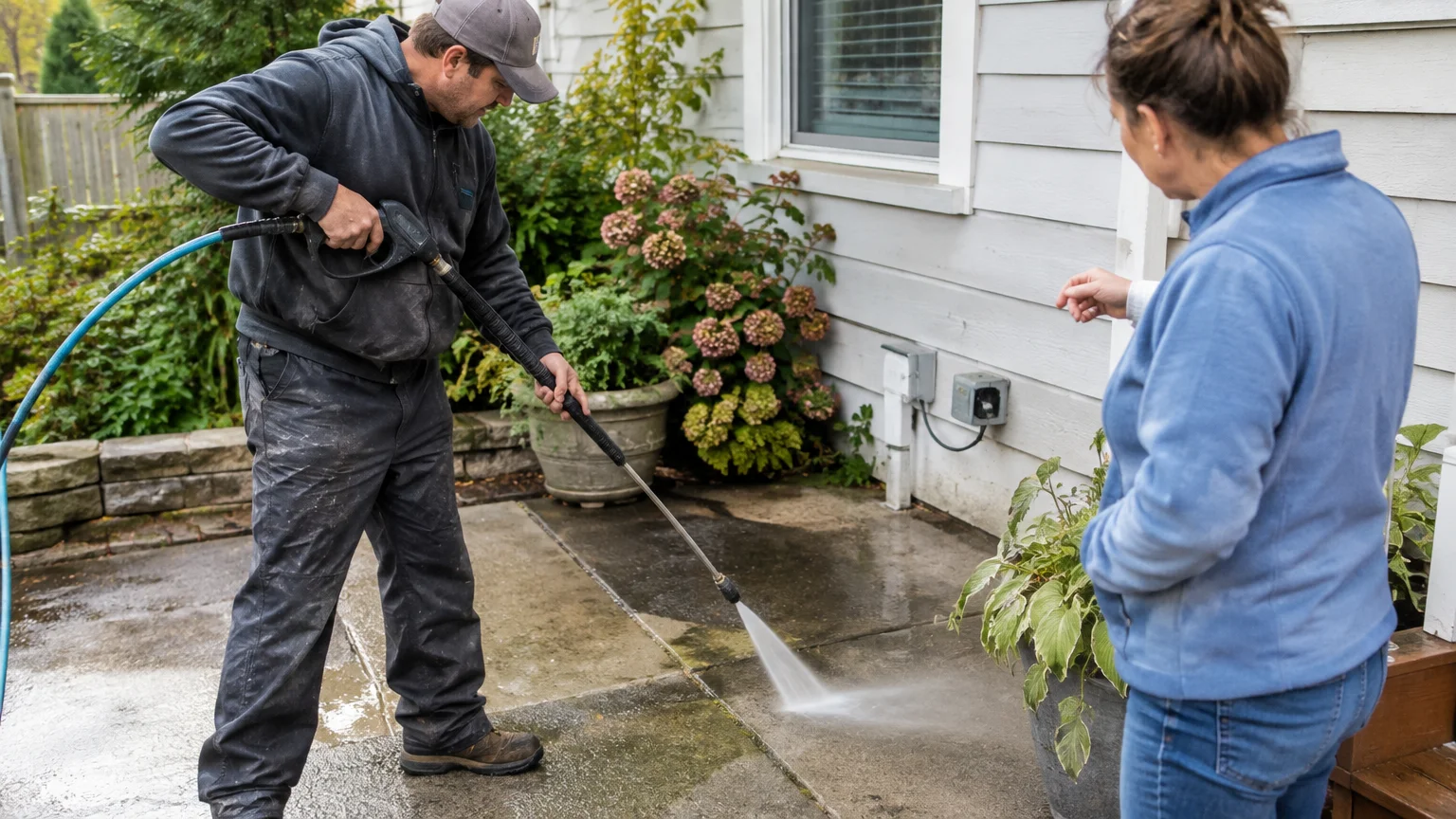
Driveways and sidewalks often need loose dirt, algae, tire marks, and surface grime removed. The scope should say whether edges, steps, curbs, and nearby walls are included. It should also explain how vehicles will stay away while surfaces dry.
Patio cleaning may include concrete, brick, pavers, or tile. Furniture, grills, planters, and outdoor rugs may need to move. Joint sand, sealers, and delicate edging can affect the cleaning method.
Deck cleaning needs a careful plan for wood or composite boards. The scope should address railings, stairs, reachable undersides, and board condition. A homeowner can safely sweep a deck and rinse light dirt when it is easy to reach. Deep mildew, high areas, and damaged boards call for professional judgment. Staining or sealing is separate unless the scope includes it.
Siding, roofs, commercial buildings, and parking areas
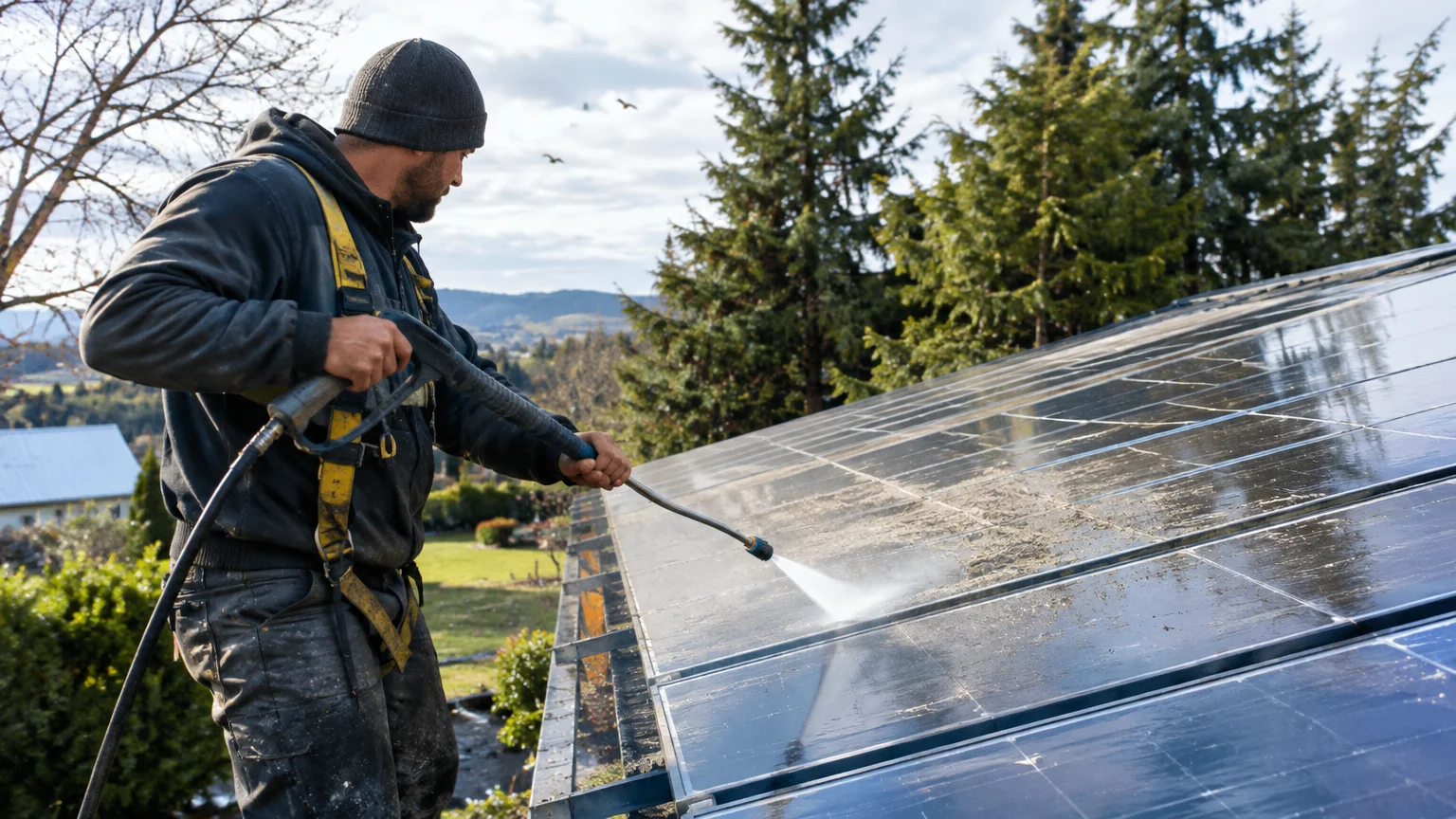
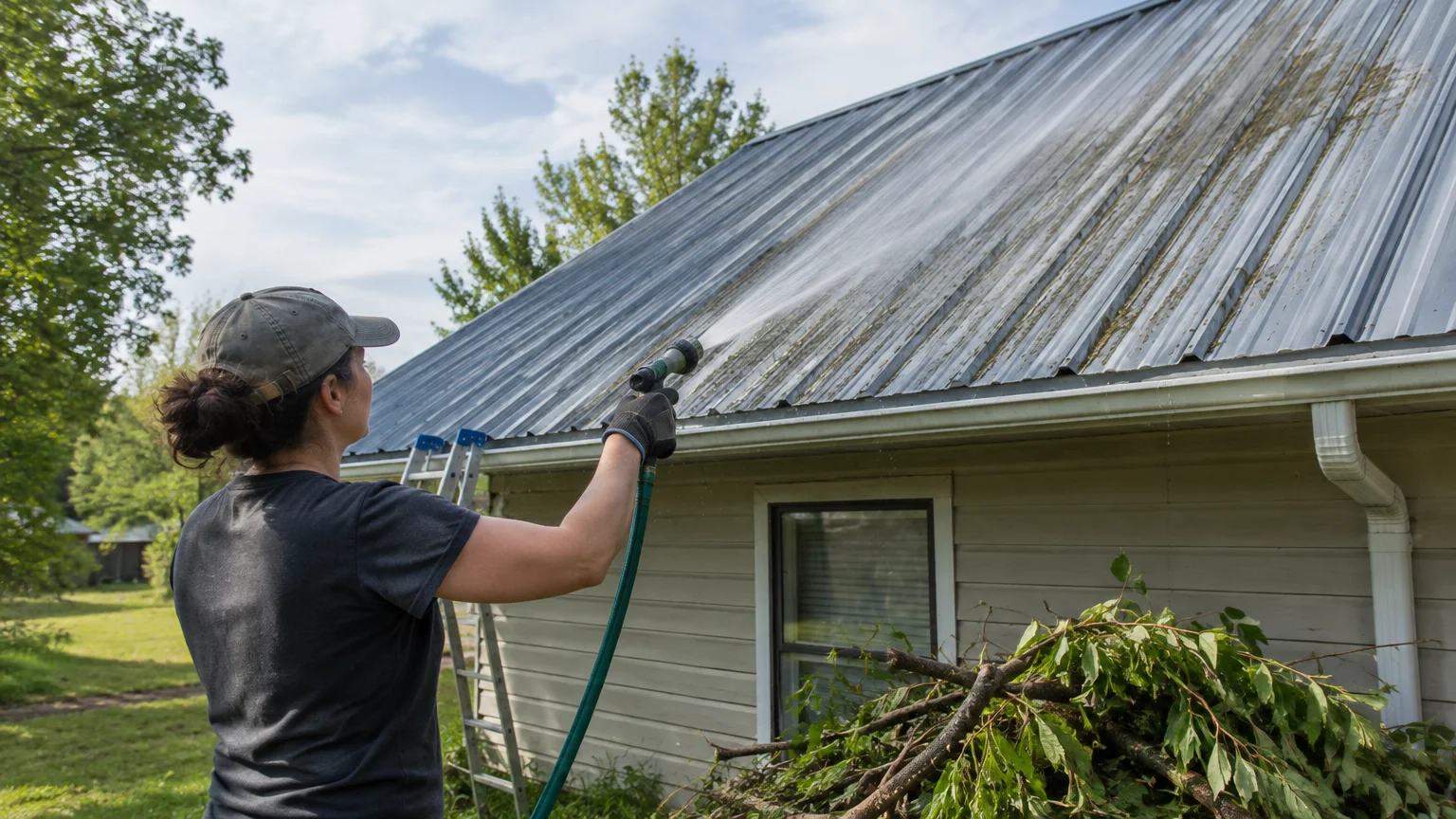
Siding work should identify wall sections, trim, soffits, gutters, and screens. Roof cleaning should identify roof areas and explain how plants, windows, and rainwater paths will be protected. A roof should never be treated like a driveway.
Commercial work may include storefronts, sidewalks, awnings, loading areas, parking lots, and building walls. The plan may need work hours, access control, warning signs, and tenant coordination. A hotel or busy property may need cleaning planned around guests and deliveries. How often a hotel should be pressure washed depends on traffic, weather, growth, and appearance goals.
How can you compare two pressure washing quotes accurately?
Two quotes are comparable only when they describe similar work. One may cover a whole building, while another covers only the front wall. Compare areas, methods, preparation, protection, cleanup, and exclusions before comparing the final quote amount.
Questions to ask about included and excluded work
Ask each provider the same questions. Useful questions include:
- Which exact surfaces and sections are included?
- Which method will be used for each material?
- Are stains, mildew, oil marks, or old coatings treated differently?
- Who moves furniture, vehicles, planters, and outdoor items?
- How are windows, doors, plants, lights, and nearby finishes protected?
- Is cleanup included, and where will runoff go?
- What damage or stain limits should the owner understand?
The answers should appear in writing. Verbal promises can be forgotten, especially when several buildings or areas are involved. A written quote also makes it easier to ask for one change without changing the whole project.
How to compare methods, preparation, protection, and cleanup
A lower quote may describe fewer areas, less preparation, or another cleaning method. A higher quote may include hard access, more protection, special tools, or detailed cleanup. Neither is always the better choice.
Compare the full scope line by line. Look for the same surface areas, stain treatment, access plan, and cleanup standard. Ask why the methods differ when one provider suggests pressure washing and another suggests soft washing.
Pressure Washing Slidell can help homeowners, property managers, and business owners review work in the main Slidell area. This includes Olde Towne Slidell, Eden Isles, Pearl River, Lacombe, North Shore, and nearby communities. The goal is to make clear what will happen, what may remain, and what must be handled separately.
How should you confirm the scope before scheduling pressure washing?
Before scheduling, confirm the work in writing. The final scope should list the property, areas, surfaces, method, preparation, protection, cleanup, and expected result. It should also state exclusions and explain how changes will be handled.
Details to document in writing
A useful confirmation includes the service date, access instructions, water access, parking needs, and on-site contact. It should name fragile items, known damage, locked gates, tenant concerns, and areas that must remain untouched.
Review photos or marked areas when the property is large. This helps prevent confusion about rear walls, side gates, roof sections, pool areas, or loading zones. Confirm any change before work begins.
The scope should also say that cleaning cannot guarantee a like-new surface. Some stains may remain, and hidden damage may appear after dirt is removed. This is a normal limit of cleaning work.
Key takeaways for choosing a complete and comparable quote
- A strong scope names every area and surface included.
- The cleaning method should match the material and its condition.
- Preparation, plant protection, runoff control, and cleanup should be clear.
- Compare quotes by the work included, not by a short service label.
- The final cost is confirmed in the written quote after the scope is reviewed.
Frequently Asked Questions
What should be included in a pressure washing quote?
A quote should identify property areas, surface materials, cleaning methods, preparation, protection, cleanup, and exclusions. It should explain expected results and note issues such as deep stains, damaged surfaces, or limited access. A clear pressure washing scope of work gives both sides the same plan before scheduling.
What PSI pressure washer is safe for vinyl siding?
There is no single safe setting for every home. The right choice depends on siding condition, height, buildup, nozzle distance, and water control. Many siding projects suit soft washing or low-pressure rinsing better. Homeowners should avoid strong spray near seams, vents, windows, and trim.
How often should a house exterior be washed?
A home may need cleaning when dirt, algae, mildew, or stains become visible. Timing varies with shade, moisture, trees, weather, surface type, and nearby traffic. Regular checks help catch buildup early. A professional can suggest a plan after reviewing surfaces and local conditions in Slidell.
Is pressure washing safe for a roof?
Strong pressure can damage some roofing materials, remove protective granules, or force water into unwanted areas. Roof cleaning often needs lower pressure and a controlled cleaning solution. The provider should inspect the roof, explain the method, protect nearby surfaces, and note damage before starting.
Can homeowners pressure wash a deck themselves?
A homeowner can sweep a deck, remove light debris, and rinse carefully when the surface is sound and easy to reach. Professional help is safer for high decks, heavy growth, weak boards, hard stains, or unclear equipment settings. The method should protect wood fibers, fasteners, railings, walls, and plants.
Conclusion
A complete pressure washing scope of work makes the job easier to understand and quotes easier to compare. It should cover exact surfaces, cleaning methods, preparation, protection, cleanup, expected results, and limits. Pressure Washing Slidell helps property owners review these details before work begins. Contact us today to discuss the scope and schedule the right pressure washing service.
If you are not sure what you are dealing with, it is worth having someone look at it before it turns into a bigger job. Get in touch with Pressure Washing Slidell today and we will tell you where you stand.