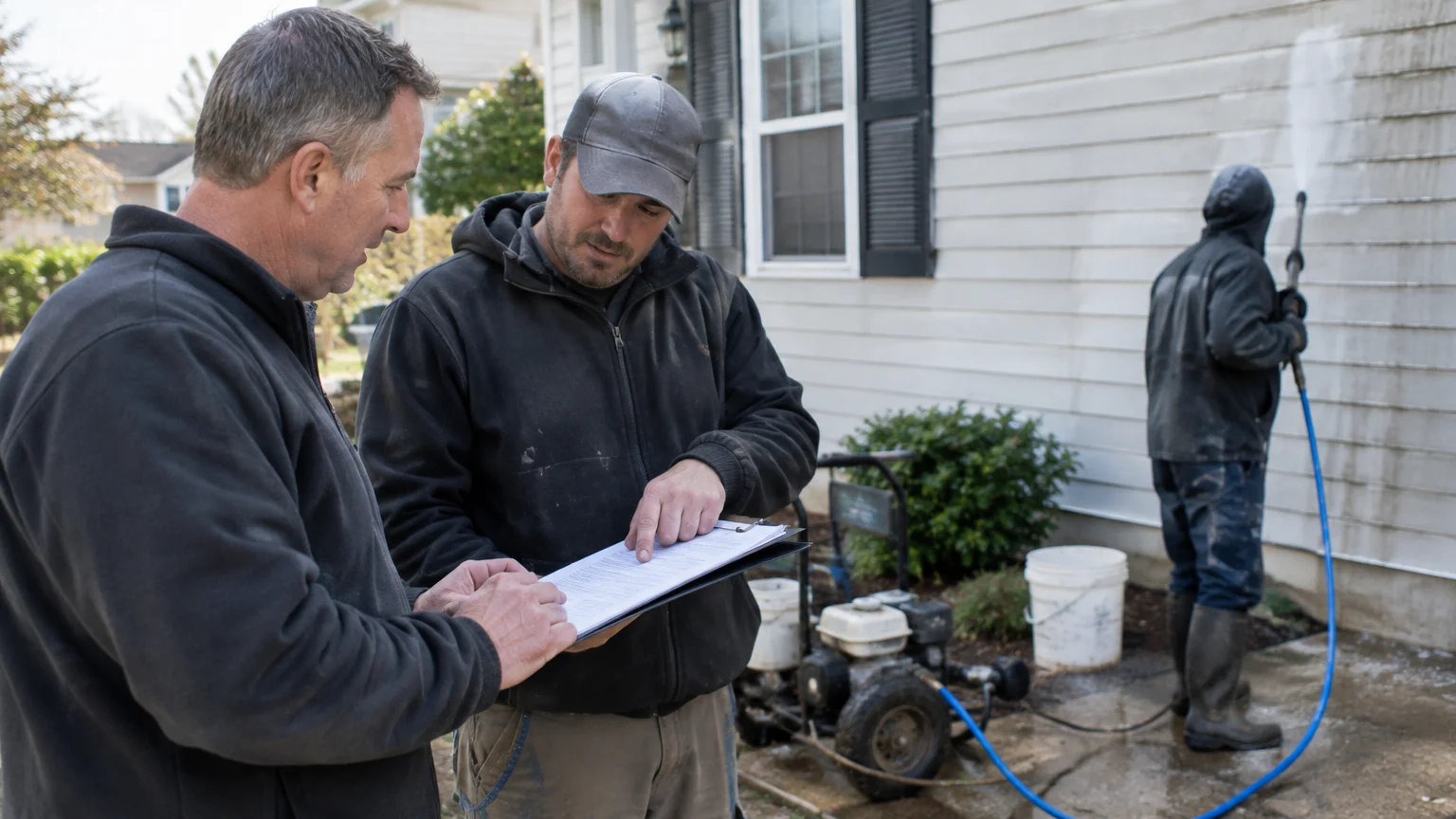
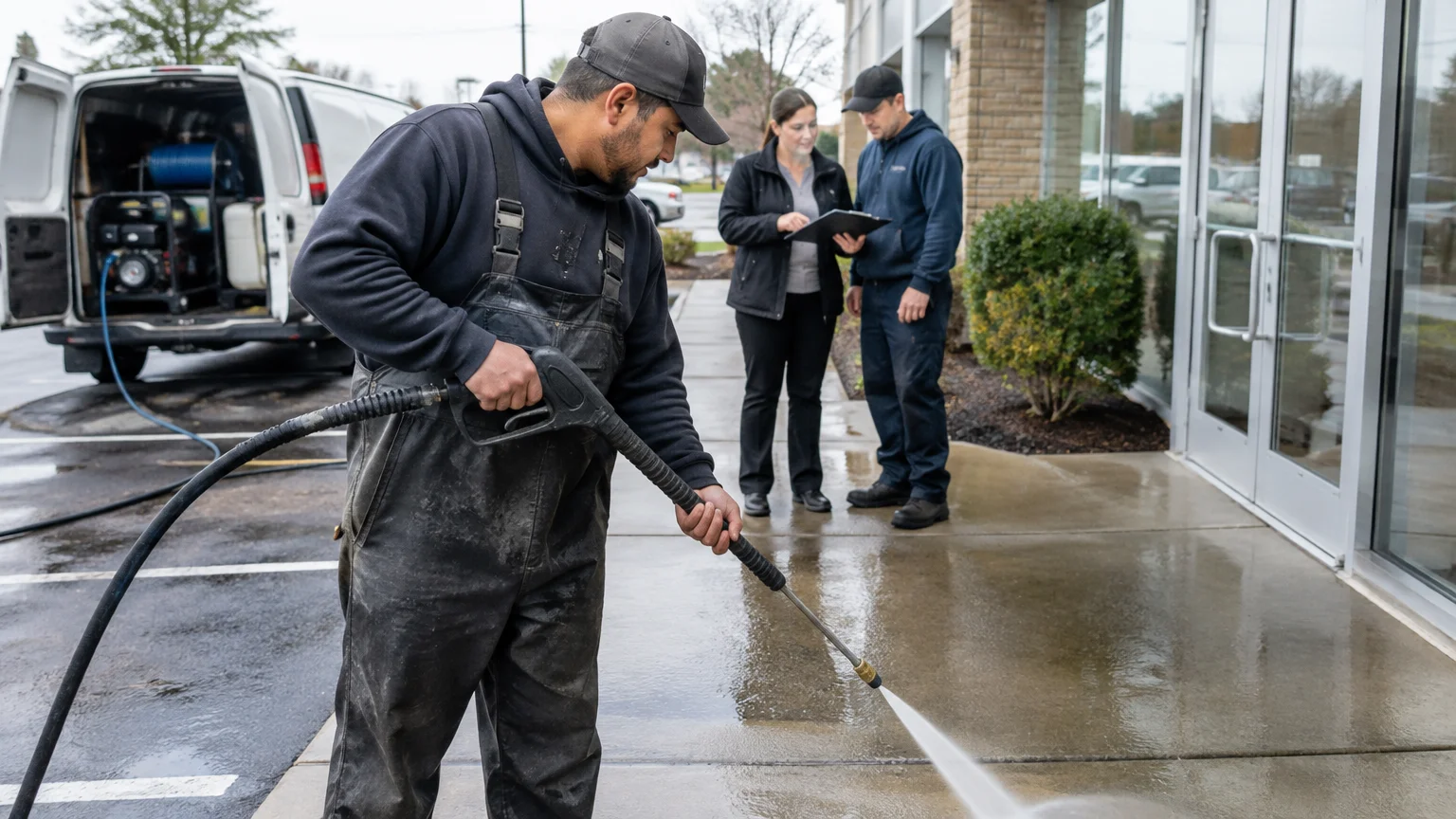
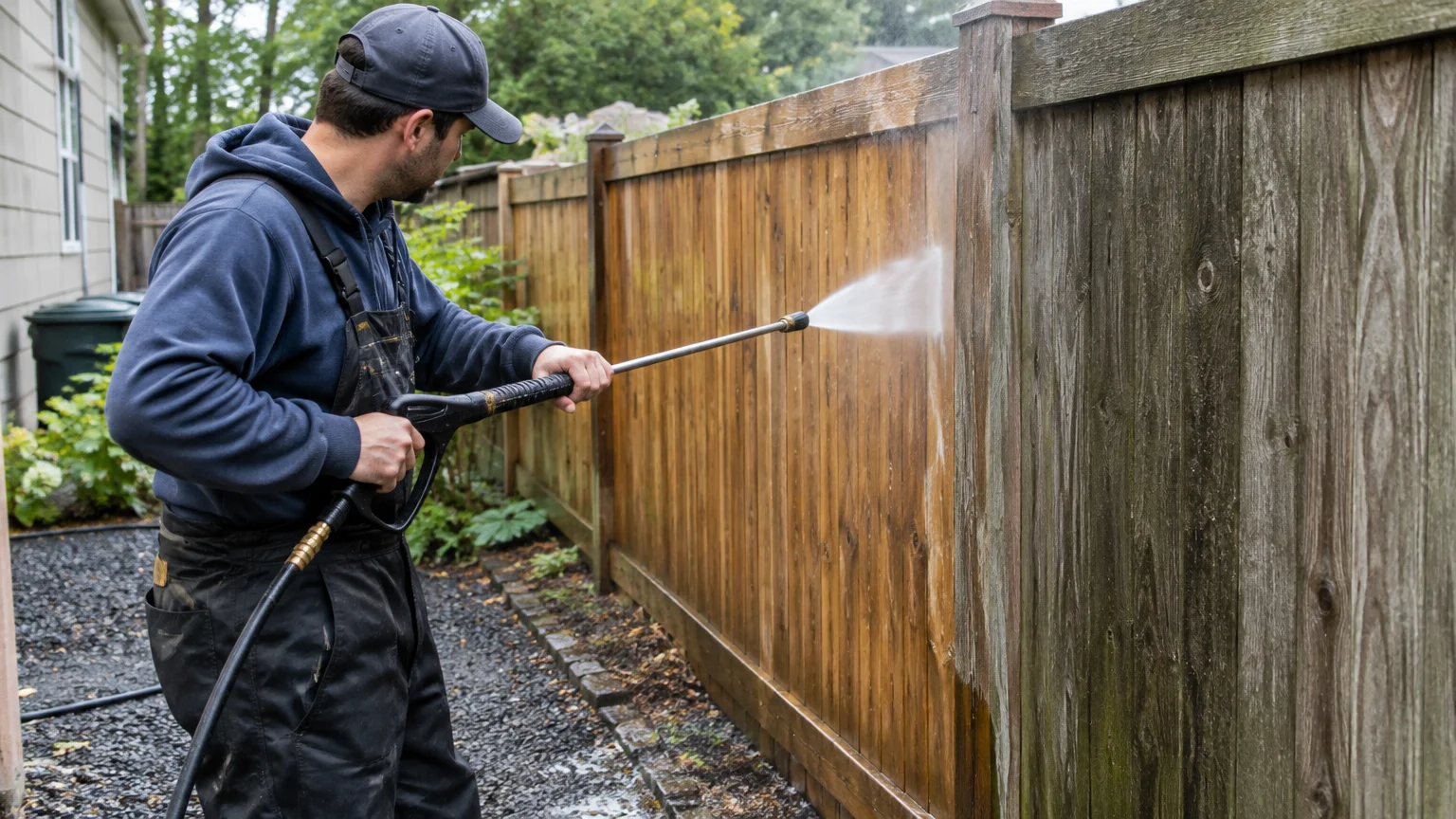
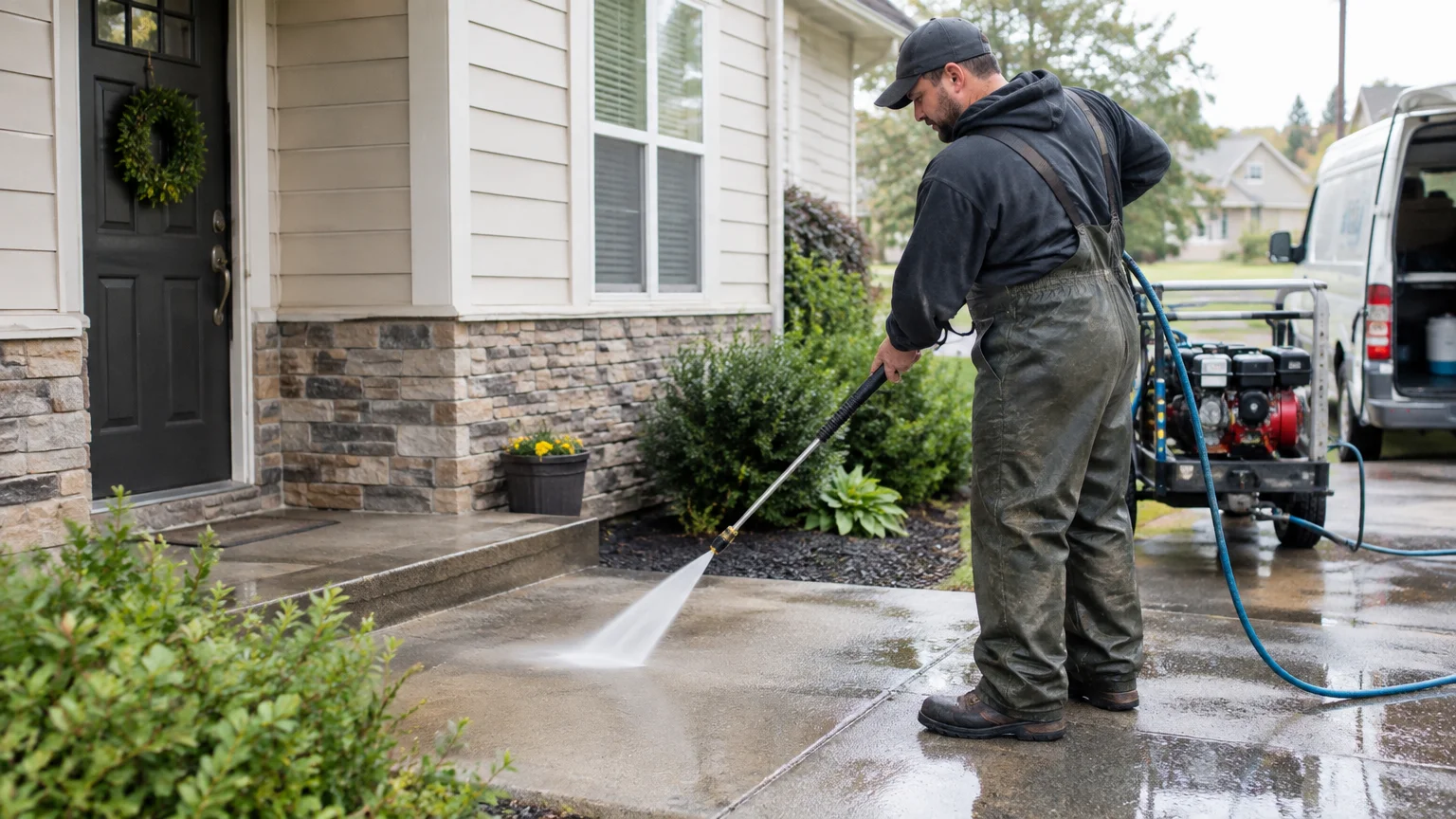
Spring pressure washing clears away winter salt, grime, and algae before they harm siding, concrete, decks, and fences. A careful spring wash in Slidell helps your exterior last longer, cuts slip risks, and freshens curb appeal so your place looks sharp and feels safe for the busy warm-weather months.
Table of Contents
- Why is spring pressure washing so important after winter?
- What damage can winter cause to your exterior surfaces?
- Which areas around your property should you pressure wash first in spring?
- How does spring pollen, mold, and mildew affect pressure washing results?
- When is the best time in spring to schedule pressure washing?
- How often should you pressure wash different surfaces after winter?
- How can you build a year-round maintenance plan after your spring pressure washing?
- Frequently Asked Questions
Why is spring pressure washing so important after winter?
Spring pressure washing matters because winter grime is more than plain dirt. It is a sticky mix of road salt, sand, oil drips, mold, mildew, and algae. These layers hold water against surfaces. Over time, that trapped moisture can stain, weaken, or crack concrete, paint, and wood around your property.
After months of cold, rain, and damp air in Louisiana, many homes and buildings come out of winter looking worn. Siding turns gray, driveways pick up dark streaks, and green slime shows up on steps and fences. It can seem like the whole property aged in just one season.
That is why outdoor spring cleaning feels like a reset. A careful wash clears off what winter leaves behind and shows the true condition of your siding, concrete, and wood. Once dirt and growth are gone, it is much easier to see chips in paint, fine cracks in concrete, or soft spots in wood.
A clean exterior also helps curb appeal. When siding, driveways, decks, and fences look bright and fresh, the whole place feels more welcoming. For owners and investors, this can support property value and make a strong first impression on buyers, guests, or tenants.
You can think of it like a health check. People look at simple charts to spot trouble early. In the same way, spring pressure washing gives a clear “reading” on the health of your outside surfaces so you can fix small problems before they turn into big ones.
How spring cleaning protects curb appeal and property value
Regular exterior cleaning is simple care that adds up over time. When mildew and algae are washed away before they dig into paint or stain, those finishes last longer. When salt and grime are rinsed off driveways, walkways, and steps, the concrete and coatings stay under less stress.
Clean outdoor spaces feel safer and more inviting in Slidell. Visitors are less likely to slip on algae-covered steps or oily driveway spots. Tenants and customers feel better walking up to a property that clearly looks cared for. This steady sense of care often helps value without major upgrades.
For Slidell property owners who plan to sell or lease in the coming months, a fresh spring wash can be part of basic staging. It highlights the best parts of the home or building instead of letting winter grime grab attention.
What damage can winter cause to your exterior surfaces?
Winter is tough on outside materials. Cold, moisture, and ice work together in slow but steady ways. Spring pressure washing does not fix all winter damage by itself, but it does clear the grime that hides it so you can spot and repair issues early.
One of the biggest winter stressors is the freeze–thaw cycle. Water seeps into tiny cracks in concrete, brick, and stone. When it freezes, it expands and pushes the material apart. When it thaws, more water can slip in. Over many cycles, small cracks can grow.
Salt and de-icing products add more stress. They can mark surfaces, leave white stains, or break down sealers that protect driveways and patios. Sand and grit grind into the surface under tires and foot traffic, acting like sandpaper on top coats.
Wood decks and fences swell as they soak up winter moisture, then shrink when they dry out. This constant movement can open nail holes, loosen fasteners, and create spots where water sits. That standing water encourages rot and mold.
How freeze–thaw cycles affect concrete, brick, and stone
Concrete, brick, and stone seem solid, but they are full of tiny pores. These pores hold water. When water freezes inside them, it expands and puts pressure on the surrounding material. Over time, this can cause several types of damage:
- Surface flaking: Thin layers on top chip or peel away.
- Spalling: Larger chunks break off near edges or joints.
- Widening cracks: Hairline cracks stretch and become easier to see.
Pressure washing in spring helps by clearing salts and grime off the top so water does not sit in the same spots as much. It also makes existing damage easier to notice so repairs can be made before the next winter.
Where moisture, salt, and debris hide around your property
Moisture, salt, and debris often collect in small, easy-to-miss places. These are the areas Pressure Washing Slidell looks at closely during a spring wash because they can cause trouble later.
Common problem spots include:
- Low spots on driveways and parking lots where puddles form.
- Steps, stoops, and landings that catch snow, ice, and de-icer.
- Fence posts and deck rail bases where water gathers around fasteners.
- Brick and stone joints that hold salty slush longer than flat areas.
In shady spots that stay damp, mold and mildew often start growing while the weather is still cool. By early spring, these patches can be slick and dark. Washing them away lowers slip risks and slows future growth.
Which areas around your property should you pressure wash first in spring?
It is easy to feel overwhelmed when you look at a whole property after winter. The key is to start where safety and first looks matter most. Spring pressure washing works best with a clear order: take care of high-risk walking areas, then move to the spaces people see and use most.
The exact order changes from place to place. A small home will not have the same needs as a large commercial lot. But the main idea stays the same: clean the paths people walk and drive on first, then clean the parts they notice most from the street or yard.
Picking the right starting points also helps manage time and water use. When high-priority zones are clear, any extra spring cleaning feels like a plus instead of a stress.
High-priority safety zones: driveways, walkways, and entryways
Driveways, walkways, and entry steps are top safety areas. In winter, they collect oil drips from cars, de-icing products, and dirt. These mix into slick films and dark stains.
Many owners ask how to remove oil stains from a driveway or concrete walkway. Light, fresh stains sometimes respond to absorbent products and gentle scrubbing. Older or deeper stains may need professional driveway cleaning services that use the right pressure, heat, and cleaners.
Entryways deserve special care because visitors may be looking at their phones, kids, or bags as they walk. A thin layer of algae on shaded steps can be hard to see but very slippery. Removing this growth in spring lowers slip risks before summer storms and heavy rains hit.
Parking lot cleaning services are also helpful for businesses, HOAs, and shared spaces. Clean driving lanes and parking spots cut down on tire marks, oil buildup, and loose debris that can cause trips.
High-visibility areas: siding, patios, decks, and outdoor living spaces
Once safety zones are handled, it is time to focus on what people see. Siding, patios, decks, fences, and pool decks sit right in the line of sight.
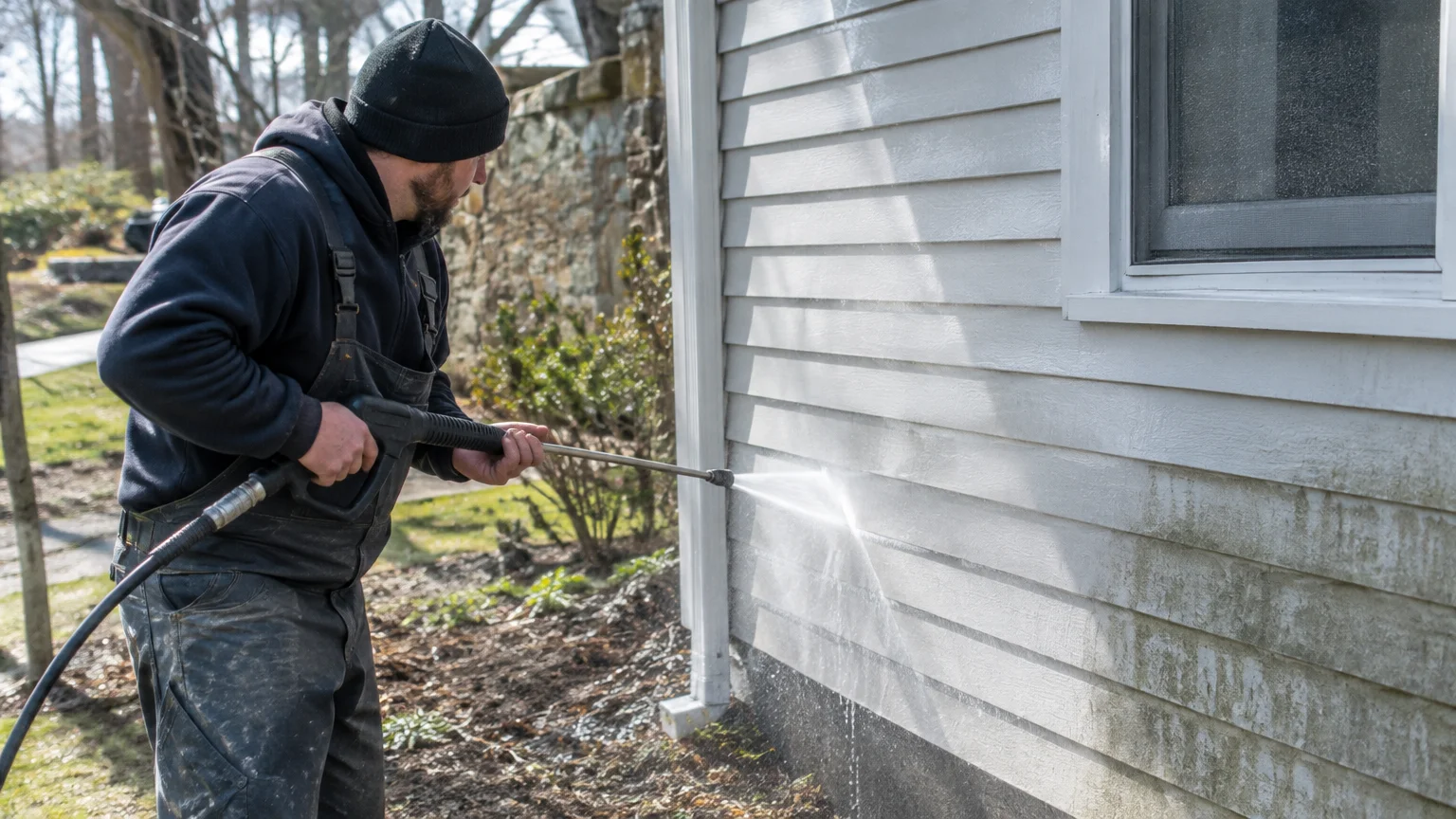
- Siding: Mold, mildew, and dirt streaks make paint or vinyl look old fast. A gentle house washing can brighten the front of a building.
- Patios and pool decks: These areas often have food spills, drink stains, and sunscreen residue. Patio cleaning helps make them more pleasant for spring and summer use.
- Decks: Deck cleaning services are helpful when wood has gray weathering or slippery algae.
- Fences: Fence cleaning services remove green and black growth that hides the color and pattern of the material.
By working in this order, Pressure Washing Slidell can help local owners bring back both safety and looks without missing important trouble spots.
How does spring pollen, mold, and mildew affect pressure washing results?
Spring brings warmer days, flowers, and new leaves on trees. It also brings pollen, mold spores, and other tiny bits that float through the air and settle on every surface. This mix affects both how dirty things look and how long a spring pressure washing stays fresh.
Pollen grains are tiny and sticky. They cling to siding, windows, cars, and outdoor furniture. When they mix with moisture and dust, they form thin films that hold onto more dirt. Mold and mildew like these films because they provide both food and water.
This is why some properties seem to “green up” fast once the weather warms. If mold and mildew had a mild winter, they may start spreading early in spring.
When pollen season peaks and how it impacts cleaning timing
In many parts of the U.S., tree pollen hits hard in spring. Grass pollen often peaks a little later. The exact timing depends on local climate and plant types, but most areas see a heavy yellow or green dust on cars and railings at some point.
If a property is washed right at the very start of a heavy pollen wave, it may look dusty again sooner than you hoped. On the other hand, waiting too long can leave mold and mildew in place longer than is healthy for surfaces.
A smart plan is to time spring pressure washing after the worst of tree pollen has passed, but before summer heat fully sets in. This gives a better chance of a long-lasting clean while still clearing away winter grime.
Why organic growth comes back faster after a mild or wet winter
Mold, mildew, and algae are living growths that feed on organic material and moisture. They do not stop just because the air feels cool. During mild or wet winters in Slidell, many colonies simply slow down instead of stopping.
When spring warmth arrives, these growths can speed up again. Areas that stayed damp all winter, such as shaded siding or north-facing fences, are often the first to show new patches. You may see green films on vinyl, dark blotches on brick, or fuzzy spots on wood.
Pressure washing removes surface growth, but spores can remain in tiny cracks and pores. That is why choosing the right cleaning method matters. Soft washing, special cleaners, and proper rinse methods help slow regrowth.
Windows should not be forgotten, either. Window cleaning services remove pollen and grime from glass and frames so natural light looks clear and bright again.
When is the best time in spring to schedule pressure washing?
The best time in spring for pressure washing is when temperatures are mild, nights stay above freezing, and heavy winter storms are mostly done. This sweet spot lets surfaces dry well and lowers the chance that new salt or ice will hit clean areas right away.
The exact month can change by region and even by year. In some areas, early spring works well. In others, late spring is better. The key is to look at local weather patterns instead of one fixed calendar date.
Daylight also matters. Longer days give more time for surfaces to dry before nightfall. That drying time helps prevent streaks and water spots and makes it easier to move from zone to zone without rushing.
Weather, temperature, and daylight factors that matter most
When planning a spring wash, it helps to watch a few simple factors:
- Overnight lows: Try to avoid washing when nights drop below freezing.
- Daytime highs: Mild temperatures help cleaners work well and allow safe drying.
- Wind: Light wind is fine; strong gusts can blow spray where it should not go.
- Rain chances: A light shower later may rinse pollen, but heavy storms can splash mud.
Pressure washing in cold weather is possible for some pros with special steps, but for most homes and small businesses, true winter is not ideal. Spring offers safer, more comfortable conditions for both people and surfaces.
How to plan pressure washing around landscaping and outdoor projects
Spring is also the season for planting, mulching, and outdoor repairs. Good planning helps you avoid washing away new mulch or splashing dirty water on fresh paint.
A simple order that works well is:
- Do major exterior repairs first, such as fixing broken siding or loose railings.
- Schedule spring pressure washing to clear dirt and old stains.
- Follow with painting, staining, or sealing as needed.
- Finish with new mulch, plants, and decor.
This order keeps clean surfaces from being ruined by later work. It also helps new paint or stain stick better because the surface under it is clean and dry.
How often should you pressure wash different surfaces after winter?
How often to wash after winter depends on the surface, local weather, and how much shade and traffic the area gets. There is no single rule for every property, but there are helpful patterns you can follow.
Some areas handle a light yearly spring wash well. Others may need attention more often, especially where mold, mildew, or heavy use are common. Hotels, busy commercial sites, and shared spaces often see more traffic than small homes.
The goal is to find a schedule that keeps surfaces clean without over-washing them. Too much pressure washing at high force can damage some materials. That is why method and frequency should match the surface.
Recommended spring cleaning frequency for common materials
As a general guide:
- Vinyl siding: A full wash every year or two often works well.
- Painted siding: Gentle cleaning on a similar cycle helps paint last longer.
- Concrete driveways and walkways: A yearly spring wash clears salt, oil, and grime.
- Decks and fences: Wood often needs more careful, but not always more frequent, cleaning.
- Brick: Brick cleaning services can be scheduled as needed when stains, mildew, or white efflorescence show.
Business owners may ask how often a hotel should be pressure washed. High-traffic exteriors, entry drives, and walkways may do best with a spring wash plus touch-ups through the year, depending on use and weather. The final plan is set with a quote that looks at the specific property.
Signs your property needs more than a once-a-year spring wash
Instead of trying to follow a strict calendar, it helps to watch for signs that a surface needs care sooner. Common signs include:
- Visible green, black, or brown growth that keeps coming back.
- Oily or dark stains that spread or get slick when wet.
- Strong musty smells near siding, decks, or shaded walls.
- Surfaces that stay damp long after rain or watering.
Many owners also wonder how often you should powerwash your house in general. If siding looks dull, streaked, or speckled with growth before next spring, it may be time for a mid-year soft washing, especially on the most exposed sides.
How can you build a year-round maintenance plan after your spring pressure washing?
A good spring pressure washing is a strong fresh start. The next step is to keep that clean look going as long as you can. A simple, year-round maintenance plan helps slow the return of grime and makes each future wash easier and gentler.
The plan does not need to be complex. For many Slidell area homes and businesses, it is just a short list of seasonal checks and light cleaning tasks. These small steps support the deeper cleaning done each spring.
Over time, this kind of routine can also lower the risk of surprise repairs. When surfaces stay clean, it is easier to see cracks, flaking, or early rot and fix them before they spread.
Simple seasonal checklists to keep grime from building back up
A basic seasonal checklist might look like this:
- Spring: Do a full walk-around after the main wash. Note any damage that needs repair.
- Summer: Rinse high-use areas as needed. Sweep debris from driveways and walkways.
- Fall: Clear leaves from decks, patios, and drains so moisture does not sit.
- Winter: Watch for ice melt products building up and track any new stains for spring.
Light touch-ups, such as rinsing off muddy splashes or spot-cleaning bird droppings, help prevent tough stains. Simple habits like keeping gutters clear and trimming plants away from siding also cut down on damp, shaded zones where mold likes to grow.
When it makes sense to schedule recurring professional cleanings
Some properties do better with more than a single spring visit. Large homes, busy commercial sites, and complexes with shared outdoor spaces often see year-round use and traffic.
Recurring professional cleanings may make sense when:
- Outdoor seating or dining areas are used most of the year.
- Driveways, parking lots, or walkways get heavy vehicle or foot traffic.
- Shaded or damp zones grow mold and algae quickly between seasons.
- Owners want a set annual exterior cleaning plan instead of one-off visits.
After you see how your property responds to a first spring wash, Pressure Washing Slidell can help you decide which schedule fits your goals and surfaces in and around Slidell. Contact us to plan a spring pressure washing visit that fits into your wider year-round care.
Key takeaways
- Spring pressure washing removes winter salt, grime, and growth that can stain and weaken surfaces.
- Start with safety zones first, then high-visibility areas like siding, decks, and patios.
- Time your wash around local pollen and weather patterns for longer-lasting results.
- Watch for signs of early grime and growth instead of relying only on the calendar.
- A simple seasonal checklist plus a smart wash schedule keeps your property looking clean and cared for.
Frequently Asked Questions
How often should I pressure wash my house after winter?
Most homes do well with a full exterior wash every one to two years, with spring pressure washing as a key part of that cycle. If your home sits near trees, busy roads, or water, you may need light touch-ups more often, especially on shaded or windward sides.
Can you pressure wash composite decking safely?
Composite decking can be washed, but it needs lower pressure and the right spray tip to avoid marks. Many pros use soft washing methods and gentle cleaners instead of high pressure. Always test a small, hidden area first and follow the deck maker’s care guide.
How do I remove oil stains from a concrete driveway?
Fresh oil stains sometimes respond to absorbent products, dish soap, and gentle scrubbing, followed by a rinse. Older, set-in stains can be harder to clear and may need professional driveway cleaning services that use heat, cleaners, and controlled pressure to treat the affected spots.
Is spring the only good time for pressure washing?
Spring is ideal because it clears winter grime and gets your property ready for heavy use, but it is not the only time. Many owners schedule extra cleanings in late summer or fall, especially before events or listing a property, to keep surfaces fresh and remove seasonal buildup.
What surfaces should a pro handle instead of DIY?
It is often safe to rinse ground-level concrete and simple patios yourself with a light machine. Roofs, high siding, multi-story work, and delicate materials are better left to a professional. Pros have the right tools, safety gear, and methods to clean without damaging surfaces.
If you are not sure what you are dealing with, it is worth having someone look at it before it turns into a bigger job. Pressure Washing Slidell can explain what needs a pro and what you can safely handle on your own.
If you are not sure what you are dealing with, it is worth having someone look at it before it turns into a bigger job. Get in touch with Pressure Washing Slidell today and we will tell you where you stand.