Stains increase pressure washing cost when they need more time, special care, or more than one cleaning step. The stain’s type, age, depth, size, and the surface beneath it all matter. In Slidell, a review of the area helps set clear expectations and guide a safe cleaning plan. The final cost is confirmed on a quote after the work is assessed.
A dark mark does not always mean a tough job. Some marks sit on the surface and rinse away, while others sink into the material. A careful check helps choose a safe method and explain what results may be possible. Pressure Washing Slidell helps property owners understand which details can affect stain removal work.
Table of Contents
- Why do heavy stains increase pressure washing costs?
- How do mold and mildew affect the price?
- Why are oil spots difficult to remove?
- How does the surface material change stain-removal costs?
- What other project conditions can increase the price?
- Can pressure washing remove every stain?
- How can you get an accurate quote for stain removal?
- Frequently Asked Questions
Why do heavy stains increase pressure washing costs?
Heavy stains may take longer to clean than loose dirt. The cleaner may need to inspect the surface, choose a safe method, and treat the area more than once. The size and depth of the stains also affect how much work is needed.
A stain is a mark that sticks to or settles into a surface. Dust and loose soil can rinse away with little effort. Rust, tire marks, old food spills, and dark grime may cling more tightly. Marks that have been there a long time can be harder to remove.
How stain severity affects cleaning time and effort
A small mark on an open concrete pad needs less attention than deep stains across a long walkway. The cleaner considers how much of the surface needs work and whether the marks are close together or spread out. A larger affected area can mean more setup, cleaning, and rinsing.
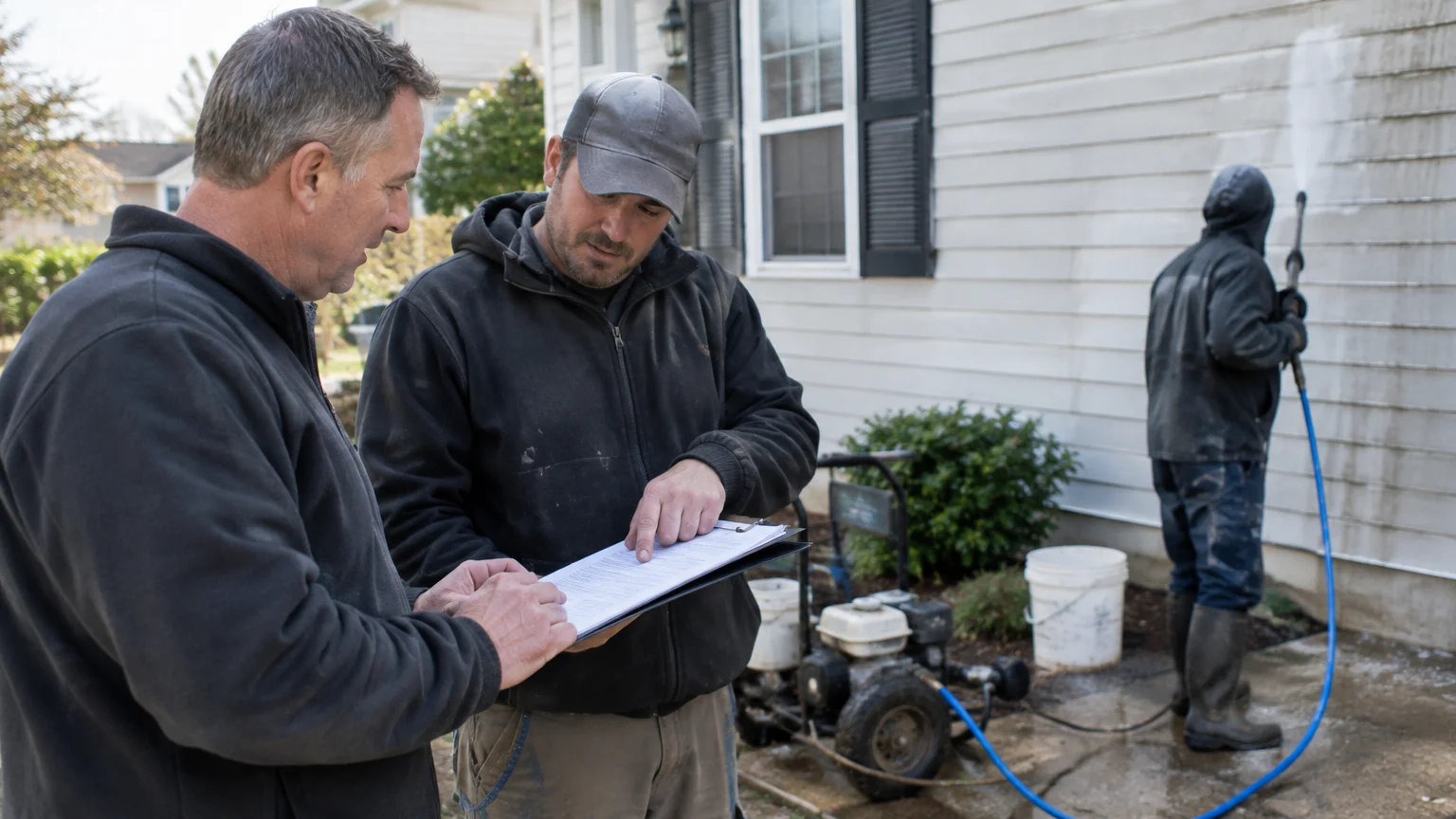
The same kind of stain can act differently at different properties. Sun, rain, foot traffic, and past cleaning can change how firmly a mark sticks. A clear photo can help describe the problem, but an on-site review may be needed to see how deep it goes.
Why some stains need more than pressure alone
Pressure is only one part of cleaning. A suitable cleaning product may loosen grime before the area is rinsed. The right choice depends on the stain and surface. A strong product or harsh spray can harm some materials.
More force is not always better. A trained cleaner may use lower pressure with a cleaning product instead of a hard spray. This matters near paint, wood, joints, or older concrete. Taking extra care can affect the work involved. To help with a quote, describe the stain, where it is, and when it first appeared.
How do mold and mildew affect the price?
Mold and mildew may add steps because growth can need treatment before rinsing. The amount, surface, and size of the affected area all matter. A small patch is not the same job as growth spread across a large wall or deck.
Mildew is a common name for some kinds of mold that grow on surfaces. Both can leave dark or green marks where moisture stays. Shady siding, damp patios, and spots near plants may need careful cleaning. The cleaner also needs to consider nearby surfaces and where the water will flow.
Why organic growth may need treatment before washing
A cleaner may use a product to loosen or treat growth before washing. The product needs time to work and may help avoid harsh pressure. The steps depend on the surface. Wood, painted siding, and masonry should not all get the same treatment.
Spraying away the visible growth may not fix what caused it. If water keeps pooling or a surface stays damp, growth may return. Property owners can trim plants away from walls and clear leaves from drains as simple upkeep. Do not mix cleaning products or use chemicals without reading the label.
How affected surfaces and coverage change the work
The height and shape of the surface also matter. A ground-level patio is easier to reach than a tall wall with tight access. Windows, doors, plants, and outdoor furniture nearby may need to be covered or moved before work starts.
A house wash can include several materials, such as siding, trim, and masonry. The cleaning method may need to change as the material changes. Pressure Washing Slidell can discuss building washing and other options based on the areas you want cleaned. A clear description helps the cleaner understand the job before preparing a quote.
Why are oil spots difficult to remove?
Oil spots can be hard to clean because oil may soak into porous surfaces like concrete. Rinsing may not reach oil below the surface. The age, size, and depth of the spot affect how much treatment may help.
Concrete has small openings that can hold oil and other spills. Oil from a parked car may leave a mark wider than its darkest part. Older stains can be tougher, especially when cars, dirt, or rain have pressed grime into the concrete.
How oil penetrates concrete and other porous materials
A porous material has small openings that can take in water or other liquids. Concrete is porous, so oil may soak in instead of staying on top. Pavers can also have textured faces and joints that hold grime. These small spaces can make a stain harder to reach.
For a fresh spill, a homeowner may blot up extra oil with an absorbent material, if its label says it is safe. Do not rub the spill, since that can spread it. Keep children and pets away, and follow local rules for throwing away used absorbent material. Never pour oil, cleaner, or wash water into a storm drain.
When degreasers and repeat cleaning may be needed
A degreaser is a cleaning product made to break down oily dirt. A professional may choose one suited to the surface and follow its label. Some stains may need more than one treatment. Even then, a faint mark may remain if oil soaked deep into the material.
People often ask how to remove oil stains from a concrete driveway. A safe first step is to soak up fresh oil, then use a product made for that surface and follow its directions. For old or wide stains, an assessment can show whether treatment may help. Driveway Cleaning Services can address oil stains, tire marks, and other common driveway grime.
How does the surface material change stain-removal costs?
The surface affects which cleaning methods are safe, so it can change the work involved. Concrete may need a different approach than wood, siding, brick, or composite decking. A quote should account for the material’s condition as well as the stain.
Why concrete can handle different methods than siding or wood
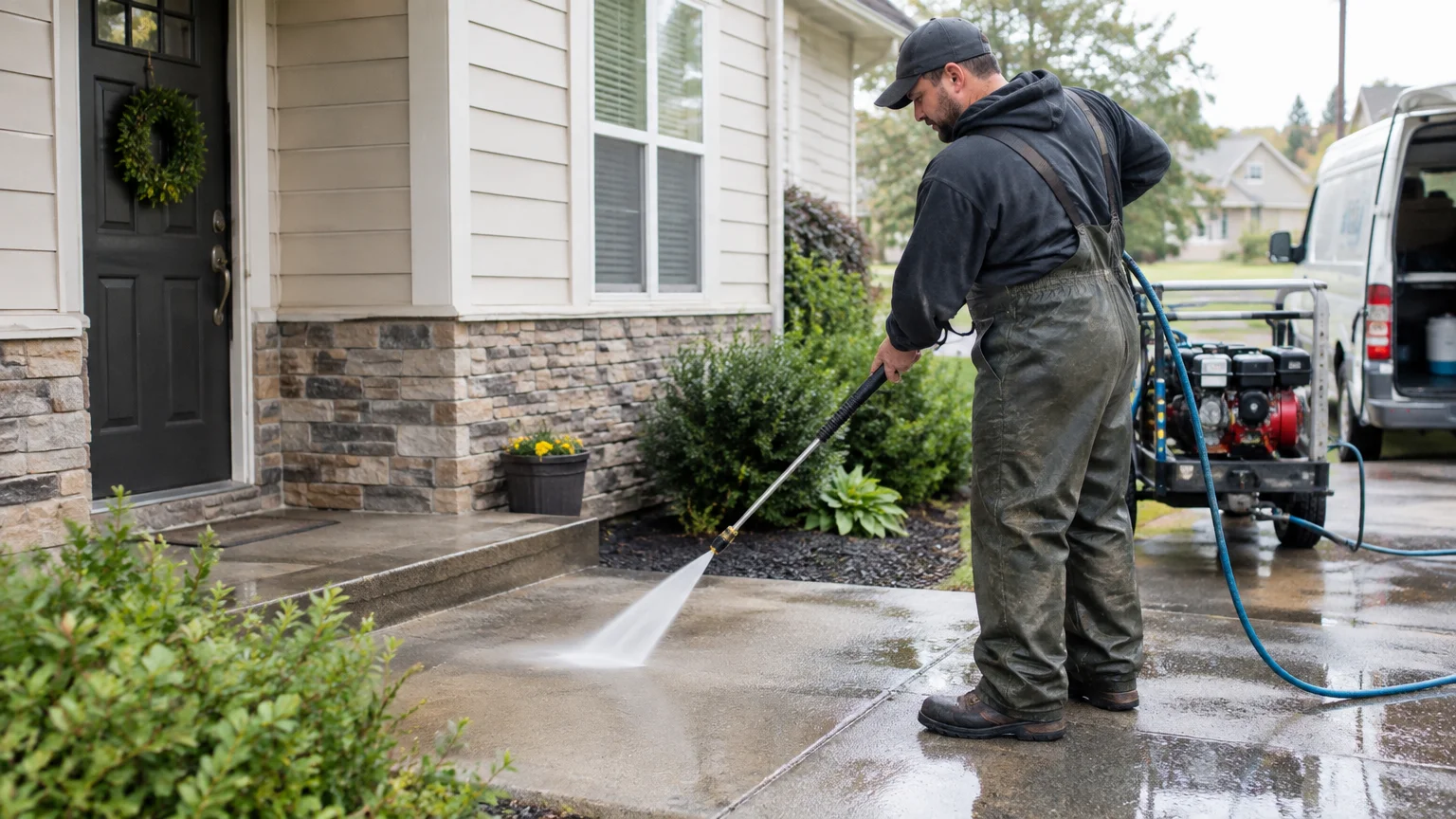
Concrete is often firm, but it can still be cracked, worn, or patched. The cleaner must watch for weak spots and joints. A wide, even pass may work for some concrete areas, while older or damaged spots may need gentler care.
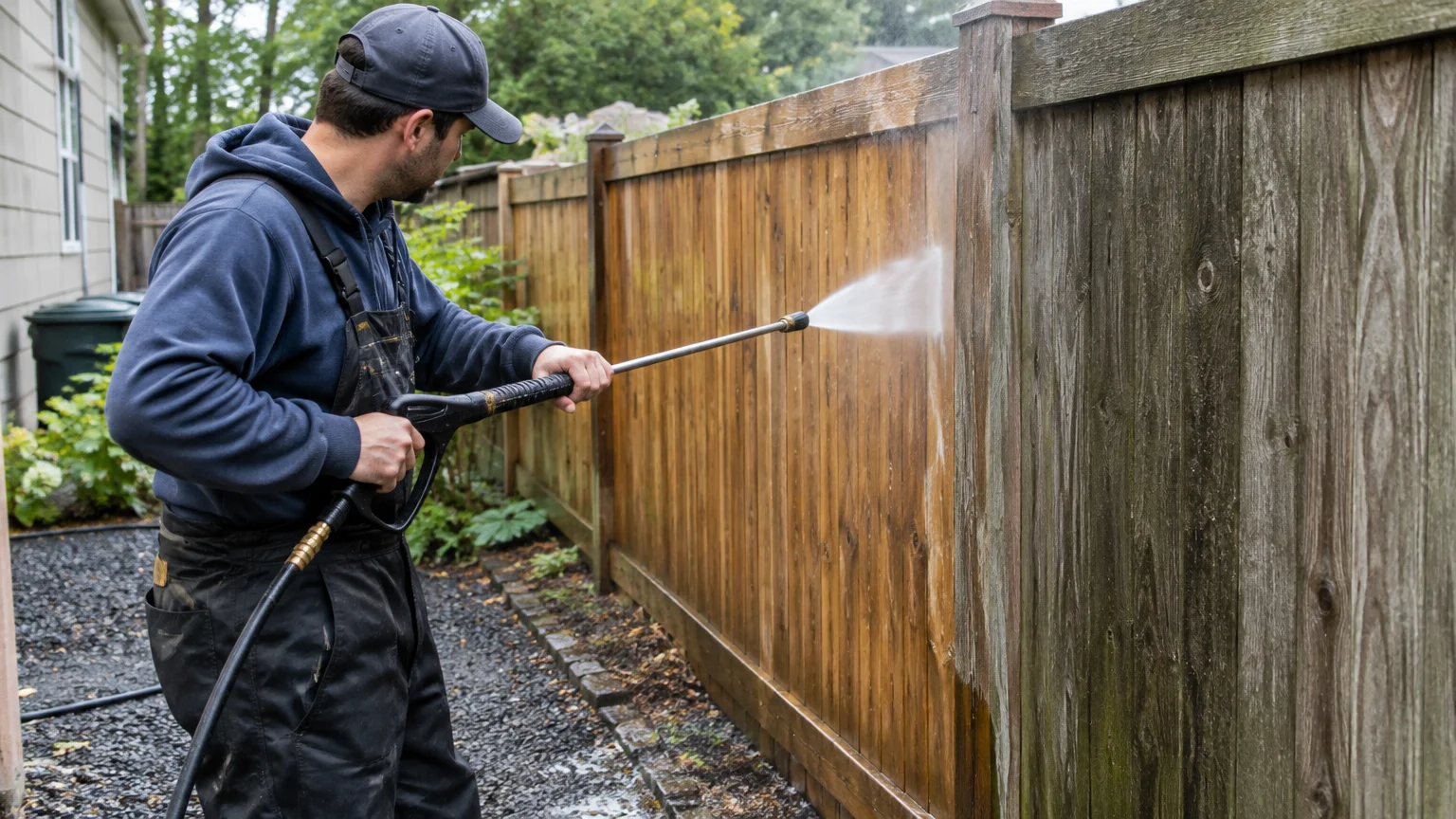
Wood and siding need more care. Too much pressure can mark wood, force water behind siding, or harm paint. A lower-pressure wash with a suitable product may work better. Brick and mortar also need a method that protects the face and joints. Brick Cleaning Services can help owners learn about cleaning for masonry.
How delicate or damaged surfaces affect the cleaning approach
Before work begins, a cleaner may look for loose boards, peeling paint, cracked concrete, or soft spots. Existing damage can slow the job and limit safe methods. Tell the cleaner about past repairs or areas that already seem weak.
People also ask whether composite decking can be pressure washed. It may be possible, but the maker’s care instructions should guide the method. A homeowner can clear loose leaves and dirt with a soft brush, then rinse gently. Avoid holding a strong spray close to the boards, as it may leave marks or cause damage. If the deck is stained or worn, ask a professional to check it first.
What other project conditions can increase the price?
Stain coverage, access, preparation, water supply, and equipment can all affect the work. A quote may change if an area is hard to reach or needs extra care before washing. Sharing these details early helps the cleaner understand the job.
How stain coverage, access, and preparation affect the job
One stain beside an open driveway is simpler to assess than marks across several surfaces. The cleaner may need to move items, protect plants, or work around vehicles. Tight spaces, steps, slopes, and upper levels can also make setup and cleaning take more care.
Before the visit, move small items and keep pets indoors. Tell the cleaner about delicate plants, outdoor outlets, or areas that should stay dry. This basic preparation can help avoid delays. Homeowners should not climb ladders or move heavy items just to get ready.
When water supply or specialized equipment matters
The water source at the property can affect the plan. A cleaner may need to check where a hose can reach and whether the water supply works with the equipment. Large areas, high walls, or unusual stains may need tools beyond a basic home washer.
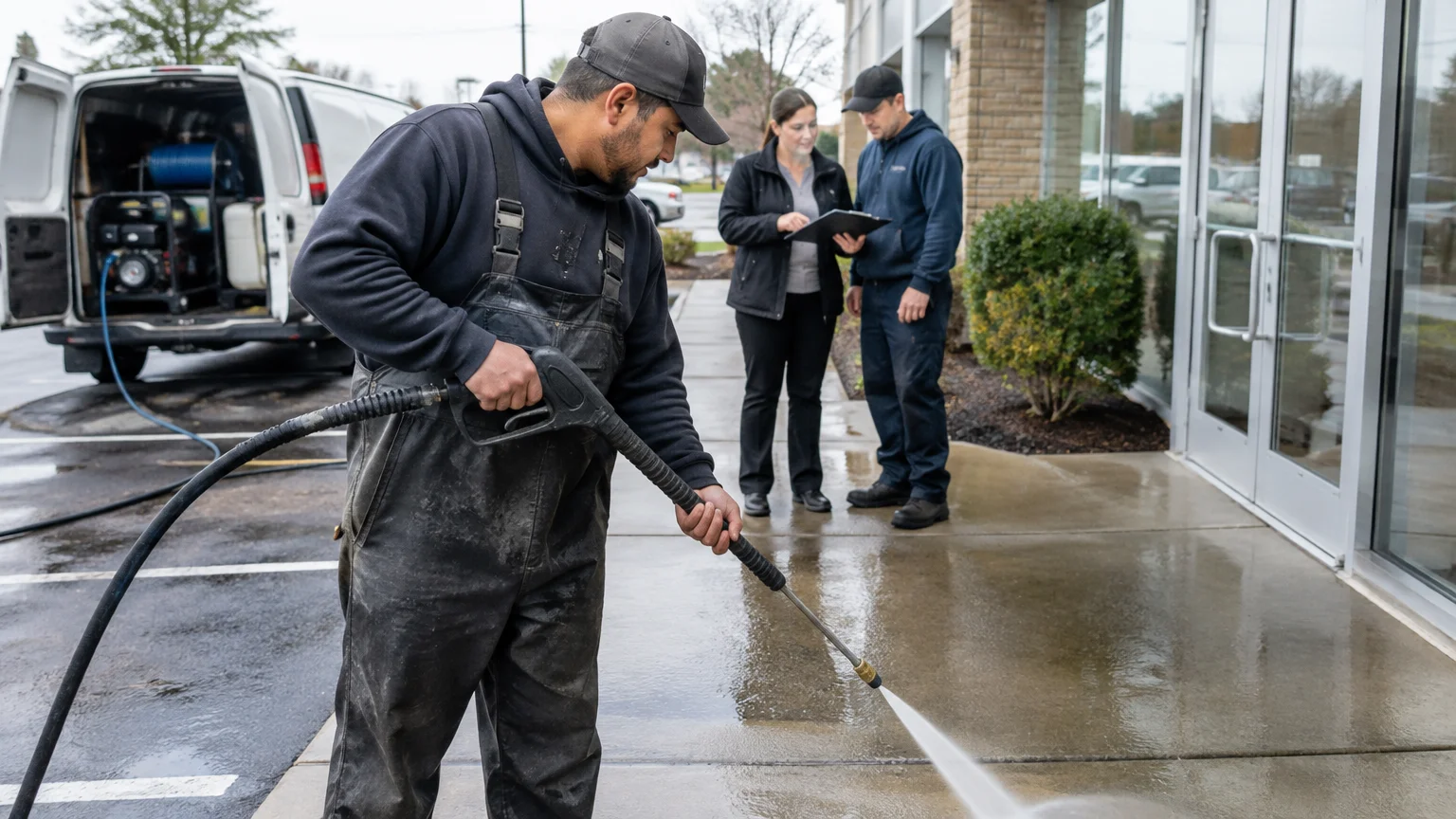
Businesses and property managers should share opening hours, customer paths, and areas that must remain open. At a hotel, the plan should consider guest access, quiet times, and wet walkways. No single schedule fits every hotel. Weather, foot traffic, and surface condition help guide the cleaning plan. Clear site details help the cleaner prepare for a safe visit.
Can pressure washing remove every stain?
No. Pressure washing can remove many surface stains, but some marks may only fade. Deep oil, rust, old paint, and damage within a material can remain after careful cleaning. A good plan aims to clean safely, not promise every mark will disappear.
Which stains may fade without disappearing completely
A stain may leave a shadow if it soaked into concrete or changed the surface color. Rust can leave a lasting mark, and paint may need a different treatment. If the material itself is worn or discolored, washing cannot bring back its original look.
A cleaner can explain what seems likely after looking at the stain and surface. Be careful about claims that every mark will come out. A small test area may show how the surface reacts, though the result may differ across a larger area.
How to avoid damage from overly aggressive cleaning
More pressure can cause damage. A hard spray may cut wood, strip paint, loosen mortar, or leave lines on concrete. The safest method depends on the material, its condition, and the stain. A careful cleaner changes the method instead of using the same setting everywhere.
Homeowners do not need a professional for simple upkeep. They can sweep a patio, rinse loose dirt, or clear leaves themselves. Use products as directed and never mix cleaners. A professional is a better choice for deep oil stains, high areas, delicate materials, or work near electrical parts. Stop if a surface starts to splinter, flake, or change color.
How can you get an accurate quote for stain removal?
A clear description of the stain, surface, and site helps a cleaner prepare a useful quote. Photos can show the size and location, but may not reveal depth or hidden damage. The final cost is confirmed on a quote after the work and surface have been assessed.
What details and photos help describe the project
Share what the surface is made of, where the stain is, and how much area it covers. Say whether the mark is oil, mold, rust, or an unknown substance. Mention when it appeared, whether anyone has tried to clean it, and whether the surface is damaged.
Photos help most when they show the whole area and a close view of the stain. Include nearby details that may affect access, such as steps, plants, gates, or parked cars. For a business, share the best time to reach the area and whether visitors need to avoid wet surfaces.
Why the final quote depends on the surface and stain assessment
A photo may not show if oil has soaked into concrete or siding is loose. An assessment lets the cleaner consider the material, access, stain depth, and safe cleaning method. The final cost is confirmed on a quote once the work is understood. Each provider sets its own pricing, so the quote should explain what work it covers.
Key takeaways
- Stain type, age, depth, and coverage affect the work involved.
- Oil may soak into concrete, so a mark can remain after washing.
- The safest cleaning method depends on the surface and its condition.
- Photos and clear site details help a cleaner review the project.
Conclusion
Heavy stains, mold, and oil spots may need extra treatment, time, or care. The material, access, and size of the area matter too. A careful review helps set expectations and choose a safe approach. In Slidell, Contact us to discuss stain removal with Pressure Washing Slidell and request a quote for your property.
Frequently Asked Questions
How do you remove oil stains from a driveway?
For a fresh oil spill, blot up extra oil with an absorbent material if its label says it is safe. Use a cleaner made for the driveway surface and follow its directions. Old or deep marks may need professional treatment, and some stains can leave a shadow.
Can pressure washing remove old oil stains from concrete?
It may lighten old oil stains, but it may not remove them fully. Concrete can absorb oil below its surface, where rinsing may not reach. A cleaner may use a suitable degreaser and repeat treatment, then explain what result seems likely after checking the area.
Can composite decking be pressure washed?
Sometimes, but follow the deck maker’s care instructions first. A strong spray held close can mark or damage composite boards. A homeowner can clear loose dirt with a soft brush and a gentle rinse. For built-up stains or a worn deck, ask a cleaner to assess it.
How often should a hotel be pressure washed?
There is no single schedule for every hotel. Weather, shade, foot traffic, nearby trees, and the surfaces on site affect how quickly dirt or growth returns. A property manager can check busy walkways and entrances often, then plan cleaning around guest access and safe drying time.
What should a pressure washing quote include?
A quote should say which surfaces and stains are included, what cleaning method is planned, and whether preparation or access affects the work. Share photos and site details, then ask about anything that is unclear. The final cost depends on the assessed job and the provider’s pricing. Pressure Washing Slidell serves property owners; learn more about Pressure Washing Slidell.
If you are not sure what you are dealing with, it is worth having someone look at it before it turns into a bigger job. Get in touch with Pressure Washing Slidell today and we will tell you where you stand.